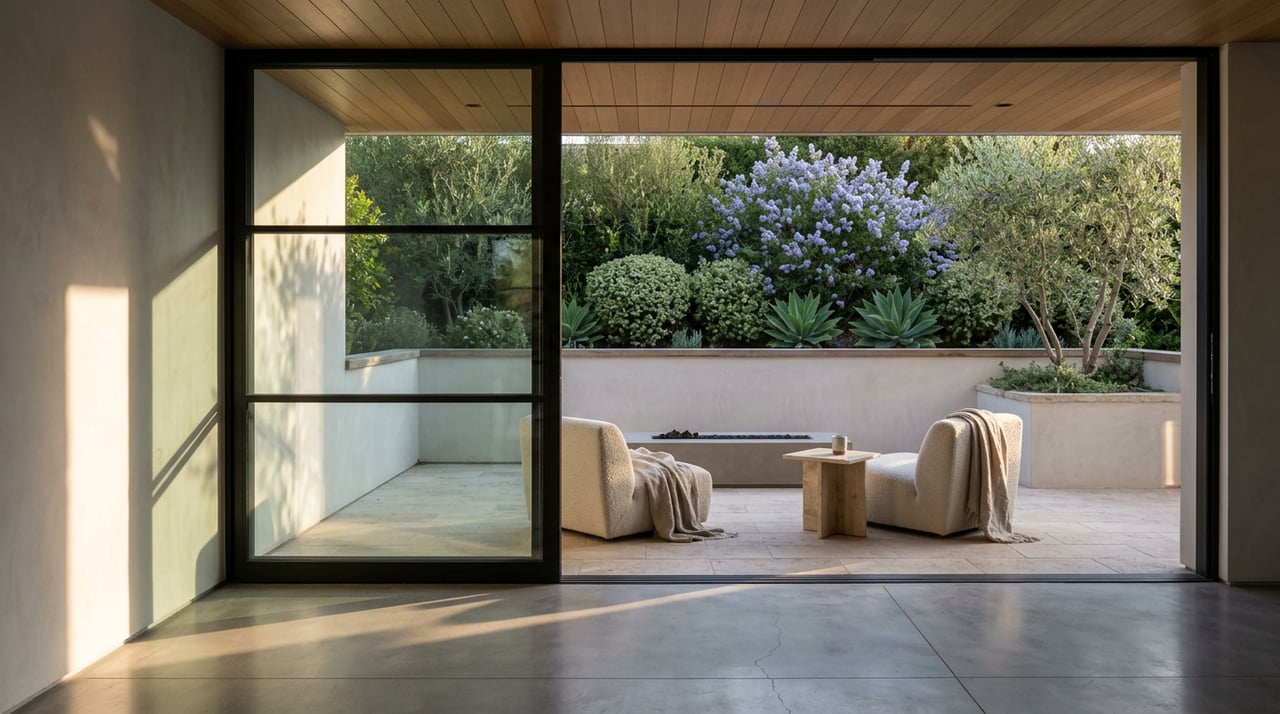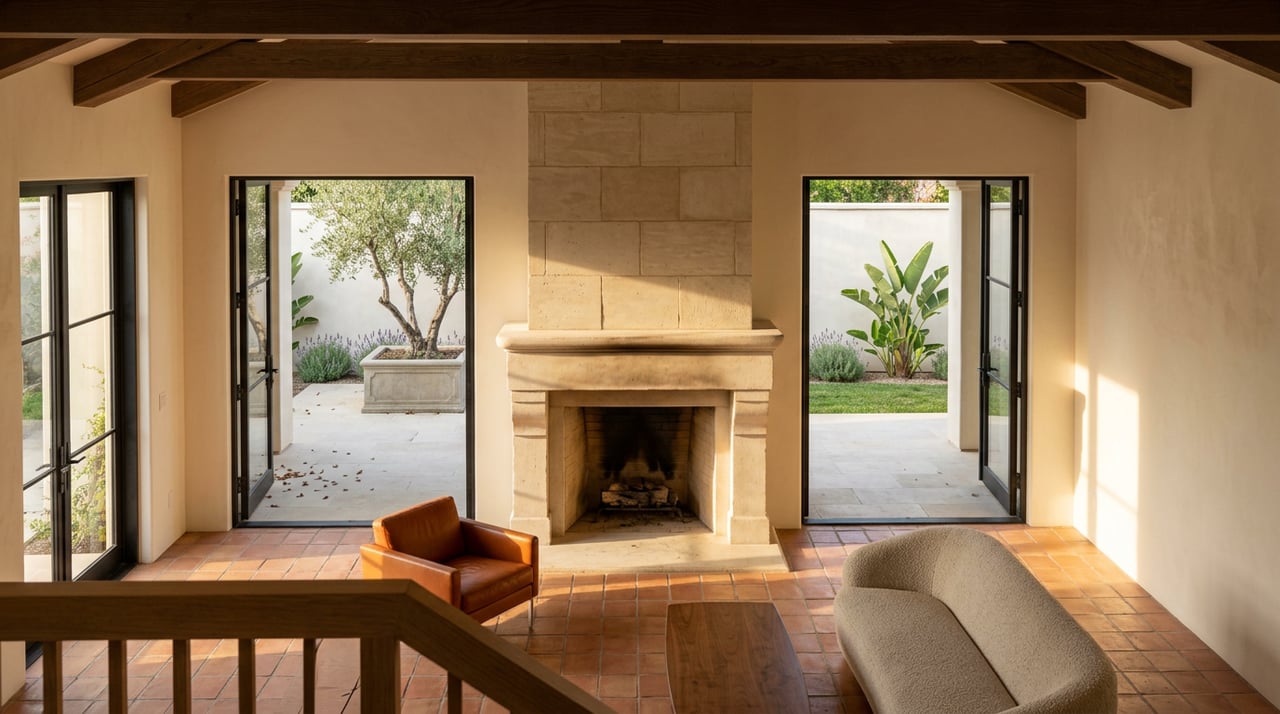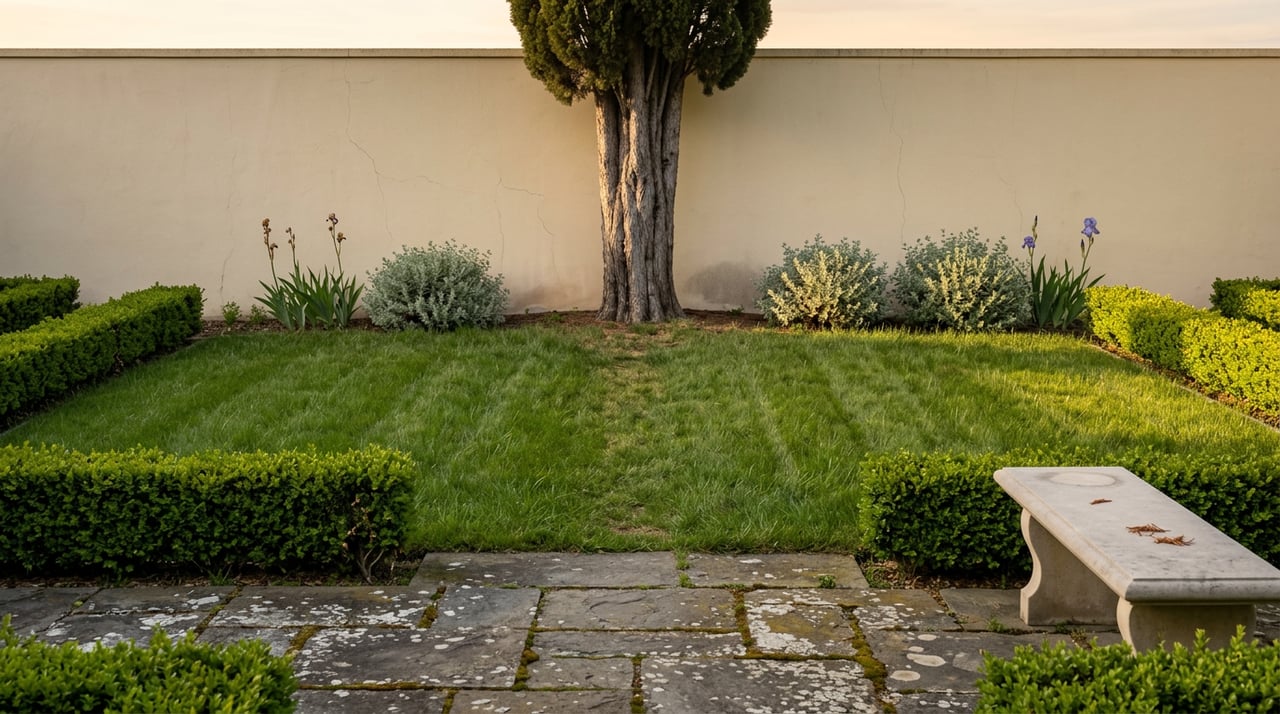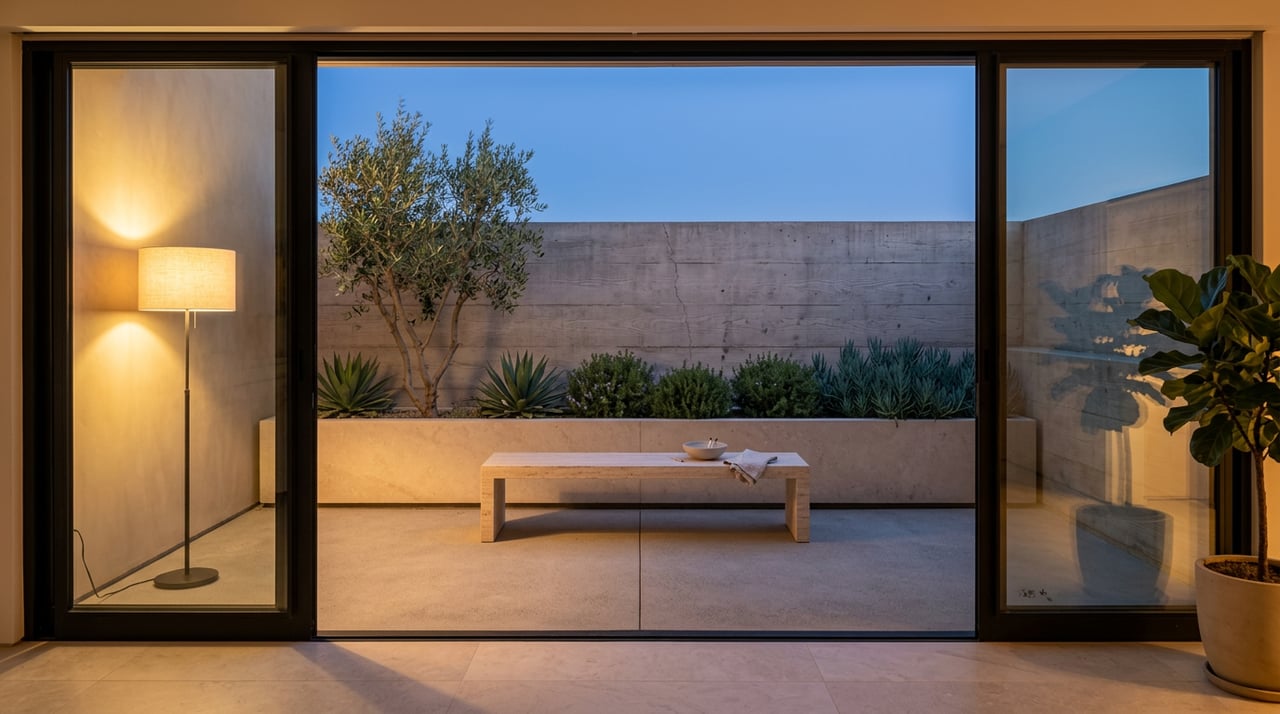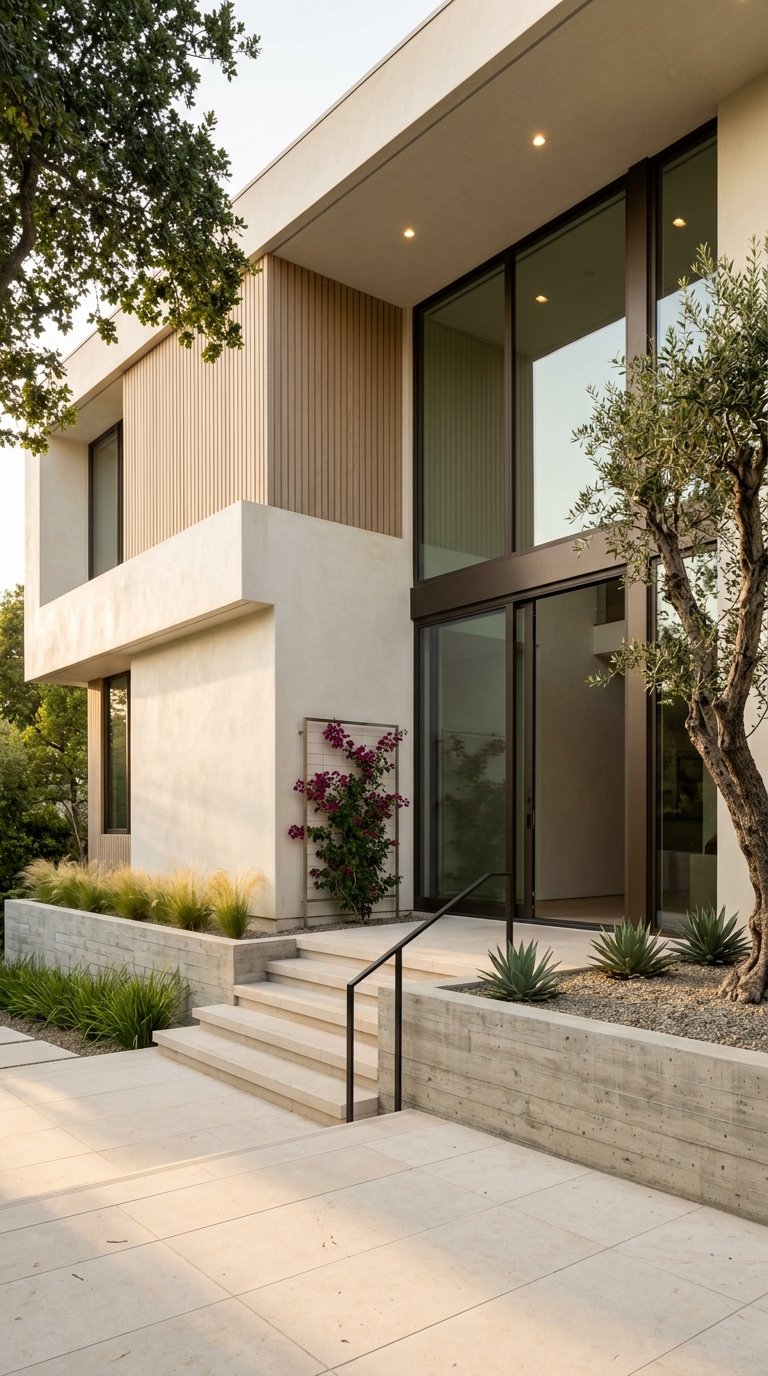
If you think of Brentwood as one neighborhood, you may miss what really drives value here. In practice, Brentwood behaves more like a set of distinct micro-neighborhoods, each with its own mix of access, lot pattern, architecture, and resale profile. If you are buying, selling, or weighing a long-term hold, understanding those differences can sharpen your strategy. Let’s dive in.
Brentwood by the Numbers
Brentwood remains one of Los Angeles’ higher-priced residential markets, but it is not moving at the same speed in every pocket. As of June 2026, Realtor.com reports a median listing price of $3.5 million in 90049, a median sold price of $2.65 million, 54 median days on market, and a 97% sale-to-list ratio. Zillow places average Brentwood home value at $2.88 million, up 5.2% year over year, while Redfin reports 179 luxury homes for sale at a median list price of about $3.1 million.
Those figures are best read as directional, not perfectly comparable, because each platform measures the market a bit differently. Realtor.com also classifies 90049 as a buyer’s market in June 2026, and its broader Brentwood neighborhood page shows a median listing price of $3.2725 million, down 6.5% year over year. For you, that means pricing power depends heavily on the exact pocket, property type, and scarcity story.
Why Micro-Neighborhoods Matter
Brentwood’s layout helps explain why broad averages can be misleading. City planning documents describe Brentwood as primarily residential, with commercial activity concentrated along San Vicente, Wilshire, and the Barrington and Sunset corridor. In other words, not every address offers the same daily experience.
Some areas trade on walkable access to village-scale amenities. Others trade on land, privacy, views, or architectural significance. When you zoom in, you start to see Brentwood less as one market and more as overlapping submarkets with different buyer pools.
Brentwood Park and Village-Adjacent Flats
For many buyers, Brentwood Park is the classic point of reference. SurveyLA notes that it was originally subdivided in 1906 along the Westgate streetcar line and includes roughly 500 parcels across 350 acres. The area is defined by large single-family homes on large lots, curving streets, eight original traffic circles and ovals, mature trees, and a mix of architectural styles including American Colonial, Spanish Colonial, Tudor, early Modern, and Ranch.
This pocket also sits closest to Brentwood’s village-scale commercial core. City planning identifies the Brentwood Country Mart and the Brentwood Village and Barrington cluster as historic commercial nodes serving nearby neighborhoods. The Brentwood Village BID also describes the Barrington Court, Walk, Place, and Chayote area as one of the community’s core retail, restaurant, and service districts.
What this pocket offers
If your priority is everyday convenience with classic Brentwood identity, this area stands out. The village-adjacent flats tend to offer the easiest access to San Vicente and Brentwood Village, which matters in a neighborhood where overall walkability is only moderate. Redfin’s reported Walk Score of 52 for Brentwood supports that point.
From a strategic standpoint, Brentwood Park and nearby flats often appeal to a broad buyer pool. That inference comes from the lot sizes, recognizable neighborhood branding, and proximity to commercial nodes. If you are thinking about resale, broad appeal can be a meaningful advantage.
Brentwood Glen and West-of-Barrington Pockets
Brentwood Glen offers a different version of Brentwood. SurveyLA describes it as west of the 405, with gently curving streets and generously sized lots between San Vicente and Sunset west of Barrington. The survey also notes that the area developed more fully between 1935 and 1942, was influenced by UCLA’s 1929 opening, and later became somewhat isolated by the 405 Freeway.
This is where Brentwood begins to transition from village-adjacent convenience into quieter residential blocks. The community plan notes that low-rise multifamily uses are concentrated along Barrington north of San Vicente and in the southeastern portion of Brentwood between San Vicente and Wilshire, while much of the rest of the community remains low-density single-family housing. That shift in land use shapes both feel and pricing.
Why buyers look here
For many buyers, Brentwood Glen and similar west-of-Barrington pockets offer a middle-ground Brentwood experience. You still get access to Brentwood and nearby Westwood corridors, but often in a more compact and transitional setting than Brentwood Park. The value proposition here is usually convenience over trophy scale.
That can make this area especially relevant if you want Brentwood positioning without prioritizing estate-sized land. Because standalone market data for Brentwood Glen is often limited, buyers should read broader Brentwood metrics carefully and compare each property on its own merits. In a nuanced market, micro-level analysis matters.
Mandeville Canyon and Estate Scarcity
If Brentwood Park represents classic flats, Mandeville Canyon represents scarcity through land and privacy. SurveyLA describes the lower canyon as containing a rare 1930s automobile bridge and remnants of the former California Botanical Garden. After the garden closed, the canyon floor was re-subdivided for residential use, while upper Mandeville Canyon evolved into a landscape of large estates, paddocks, stables, and horse trails.
Current market data reinforces that estate character. Realtor.com shows Mandeville Canyon with 16 homes for sale, a median listing price of $5.95 million, and 63 median days on market. It also reports a 44.25% three-year increase in median listing price.
The trade-off in Mandeville Canyon
The upside here is hard to replicate. Privacy, larger land profiles, and equestrian history create a scarcity story that many other Brentwood pockets cannot match. For buyers focused on long-term differentiation, that matters.
The trade-off is a narrower buyer pool and often more selective resale timing. Homes in this submarket may not move on the same timeline as broadly appealing flats. If you are underwriting a purchase here, it helps to think in terms of scarcity and patience rather than pure speed.
Crestwood Hills and Upper Kenter Canyon
Crestwood Hills stands apart for a different reason: architecture. SurveyLA says the Mutual Housing Association acquired 800 acres off Kenter Avenue, planned a 500-house community, and ultimately built 160 homes using limited grading to preserve views and privacy. The design language included concrete block, wood, expansive glass, low-pitched roofs, redwood siding, and crushed green slate roofs.
The survey also notes that this was the only successful large-scale housing cooperative in postwar California. Seventeen original Mutual Housing Association houses are designated Historic-Cultural Monuments, with additional properties identified as individually significant. That level of architectural pedigree still shapes buyer demand today.
Why design-minded buyers focus here
In Crestwood Hills and upper Kenter Canyon, value often comes from design significance as much as square footage. Buyers who care about modernist architecture, intact setting, and view corridors may see these homes differently than the broader market does. That tends to create a more specialized demand base.
If you are comparing this pocket to Brentwood Park, the distinction is useful. Brentwood Park often speaks to classic period architecture and larger flat lots, while Crestwood Hills rewards design literacy and appreciation for a specific midcentury vision. Both can be compelling, but for different reasons.
How to Match the Right Pocket to Your Goals
If you are trying to narrow your search, it helps to start with your real priority rather than the neighborhood name alone. In Brentwood, the strongest fit usually comes down to what you value most in daily life and long-term ownership.
Best fit by priority
- Walkability and convenience: Village-adjacent flats and Brentwood Park
- Privacy and land: Mandeville Canyon, especially the upper canyon
- Architecture-driven buying: Crestwood Hills and upper Kenter Canyon
- Balanced Brentwood access: Brentwood Glen and west-of-Barrington transitional pockets
That framework does not replace property-level analysis, but it gives you a smarter starting point. In a market where one street can feel very different from the next, that clarity can save time and improve decision-making.
A Planning Detail Buyers Should Not Ignore
In Brentwood, physical setting and planning rules can affect what you can do with a property after closing. The San Vicente Scenic Corridor Specific Plan applies in Brentwood-Pacific Palisades, and the City’s community plan notes that pedestrian-oriented projects in these areas should place parking at the rear or underground. The Mulholland Scenic Parkway Specific Plan also covers Brentwood-Pacific Palisades.
For you, that means additions, rebuilds, and exterior changes may be more constrained than expected in village and ridgeline settings. If you are buying with renovation or expansion in mind, this step deserves attention early. A beautiful house and a workable plan are not always the same thing.
The Strategic Takeaway
Brentwood’s micro-neighborhoods reward precision. Flats tend to win on convenience and broad buyer appeal, canyons tend to win on land and privacy, and hillside enclaves often win on architectural identity. Over time, pricing strength usually follows the feature that is hardest to replicate in that specific pocket.
That is why broad neighborhood averages only tell part of the story. If you want to buy well, sell with confidence, or target the right value-add opportunity, the real edge comes from understanding how Brentwood’s submarkets behave block by block. For a discreet, strategy-first conversation about Brentwood’s most nuanced pockets, connect with Bryce Pennel.
FAQs
What are Brentwood’s main micro-neighborhoods for homebuyers?
- Brentwood Park and the village-adjacent flats, Brentwood Glen and west-of-Barrington pockets, Mandeville Canyon, and Crestwood Hills or upper Kenter Canyon are some of the most recognized Brentwood submarkets discussed by buyers and agents.
Which Brentwood pocket offers the best walkability?
- The village-adjacent flats and Brentwood Park generally offer the strongest access to San Vicente and Brentwood Village, making them the most convenience-oriented choice within Brentwood.
Which Brentwood area is best for privacy and larger lots?
- Mandeville Canyon is generally Brentwood’s strongest option for privacy, estate character, and larger land profiles, especially in the upper canyon.
Which Brentwood pocket appeals most to architecture-focused buyers?
- Crestwood Hills and upper Kenter Canyon are especially notable for midcentury-modern design history, while Brentwood Park often appeals to buyers who prefer classic period-revival architecture.
Are Brentwood micro-neighborhood names official?
- Not always. City planning often uses districts, corridors, overlays, and tract names, while residents and agents commonly use shorthand names like Brentwood Park, Brentwood Glen, and Mandeville Canyon.
Why does walkability matter so much in Brentwood?
- Brentwood is only moderately walkable overall, so the difference between flat, village-adjacent locations and hill or canyon settings can significantly affect your daily convenience and buyer demand at resale.