If you are weighing a Bel Air new build against a classic estate, the real question is rarely just about age. In this market, value often lives in the land, the layout, the privacy, and the level of friction tied to what can or cannot be changed. If you want to make a smarter decision, you need to look past finishes and into the forces that actually drive pricing in Bel Air. Let’s dive in.
Why Bel Air Value Is Different
Bel Air is not a simple price-per-square-foot market. It is an estate submarket where lot quality, access, privacy, topography, and local planning constraints can matter just as much as the residence itself.
That matters because two homes with similar square footage can have very different value stories. One may command a premium because it solves site challenges well, while another may hold long-term upside because the lot, landscape, and setting are hard to replicate.
Los Angeles City Planning’s historic survey also shows that Bel Air has evolved over time. The original 1922 Bel Air Estates subdivision was built around irregular parcels, winding roads, mature trees, and privacy walls, and the housing stock has gradually shifted through demolition and replacement toward larger new construction.
Current market data reinforces how selective this segment can be. Realtor.com shows 153 homes for sale in Bel Air, with a median listing price of $6.5 million, median days on market of 61, and a 93% sale-to-list ratio. In a thin luxury market, those numbers are best used as context, not as fixed rules.
New Builds: Where the Premium Makes Sense
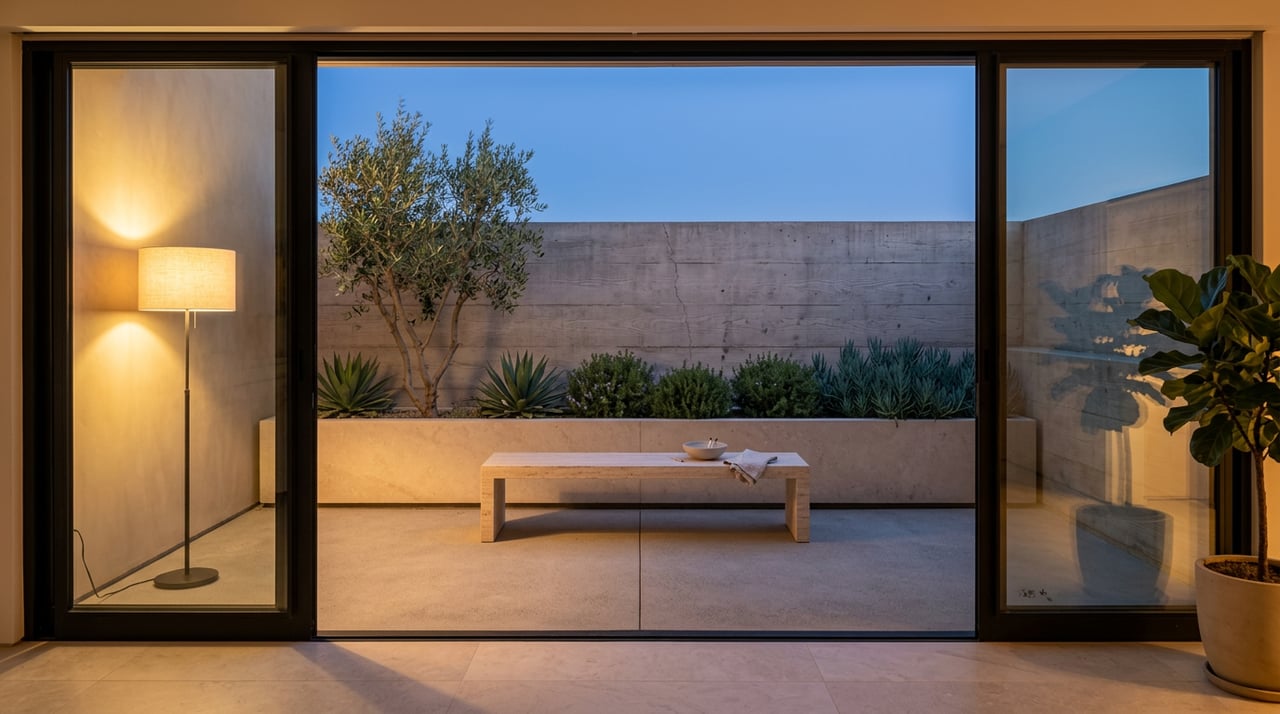
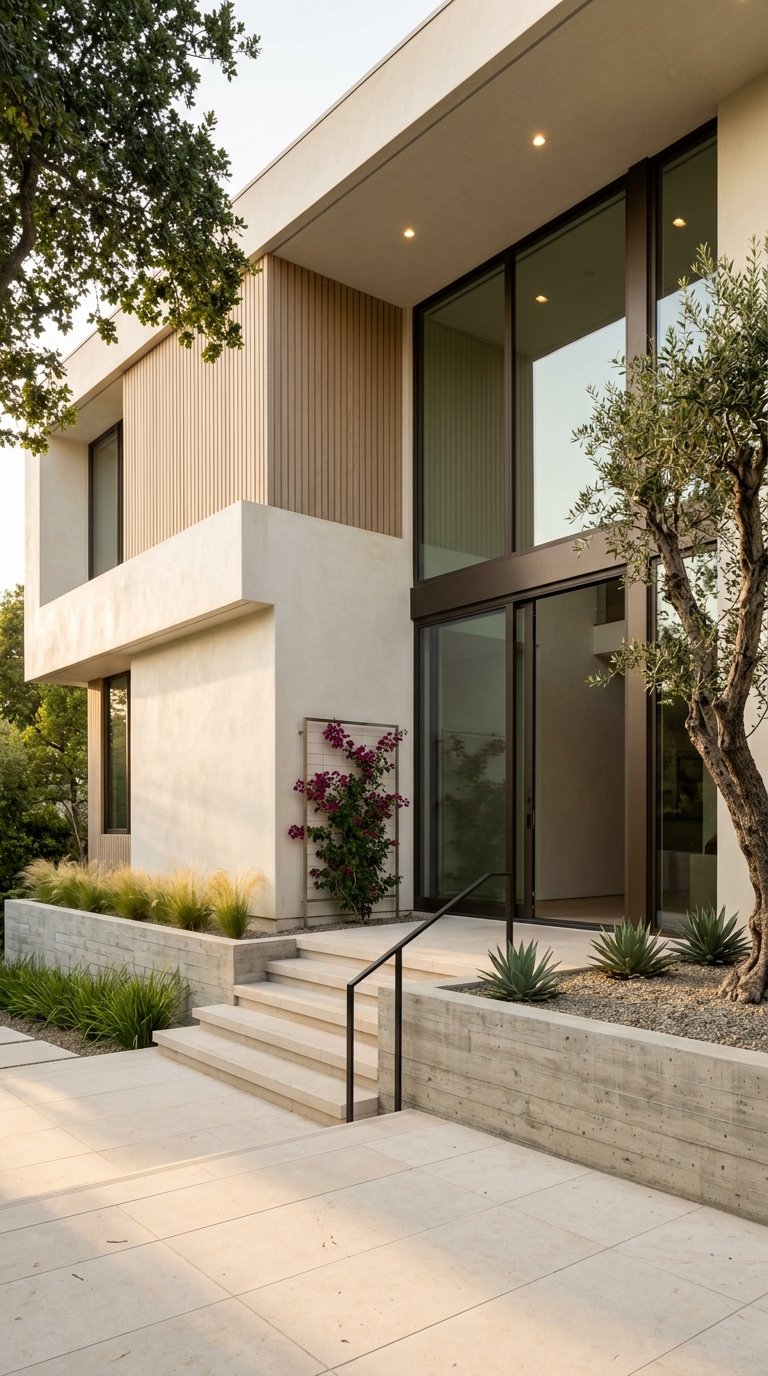
A new build usually earns its premium when it delivers more than glossy finishes. In Bel Air, the strongest premiums tend to show up when a property offers a layout and site plan that clearly improve daily living.
That can include open-concept gathering spaces, strong indoor-outdoor flow, and thoughtful landscaping. A recent Redfin agent survey found that 83% of agents said open-concept floor plans are desirable to luxury buyers, 69% said landscaping is a must-have, and 58% said indoor-outdoor living space is a must-have.
In practical terms, that means newer homes often win because they match how many buyers want to live today. Kitchen islands, double vanities, and modern circulation patterns can feel more usable and effortless than a period layout that needs adaptation.
Still, newer is not automatically better. The same layout trends are more nuanced now, especially with remote work, privacy needs, and multigenerational living shaping buyer preferences. A new build premium is most defensible when the floor plan truly fits the likely buyer pool, not just because the home is recently completed.
Current-Code Advantages Matter
New construction in California also benefits from being built to current energy-efficiency standards under the state’s Title 24 framework. The California Energy Commission says the 2025 Building Energy Efficiency Standards take effect on January 1, 2026, and that standards are updated every three years.
For you as a buyer, that can translate into lower near-term retrofit concerns and a more current baseline for performance. In the luxury segment, that often supports value because buyers may pay more for a home that feels turnkey not just cosmetically, but operationally.
Bel Air Development Friction Raises the Stakes
Bel Air adds another layer that buyers should not ignore. Los Angeles City Planning has identified the Bel Air-Beverly Crest area for more restrictive hillside controls aimed at minimizing grading, limiting land-use intensity, and preserving natural topography.
The same planning report notes that single-family homes over 20,000 square feet are subject to discretionary review. It also states that by-right grading is capped at 6,000 cubic yards on standard streets, or 75% of that on substandard streets.
This is a big part of the value equation. A successful new build in Bel Air is not just a large house. It is often a house on an exceptional parcel where the design, access, circulation, and grading strategy have already cleared hurdles that can be expensive and time-consuming to solve.
Classic Estates: Why They Still Compete
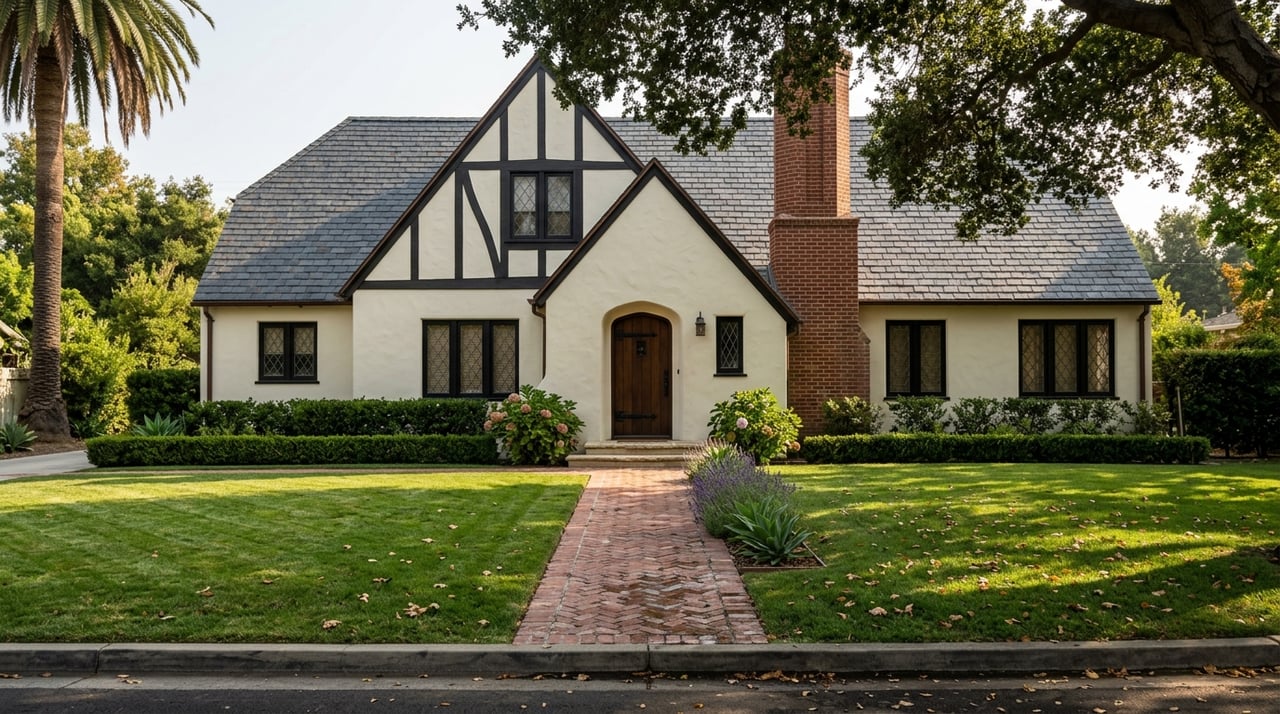
Classic Bel Air estates hold value for reasons that newer homes cannot always duplicate. The most important may be the land itself.
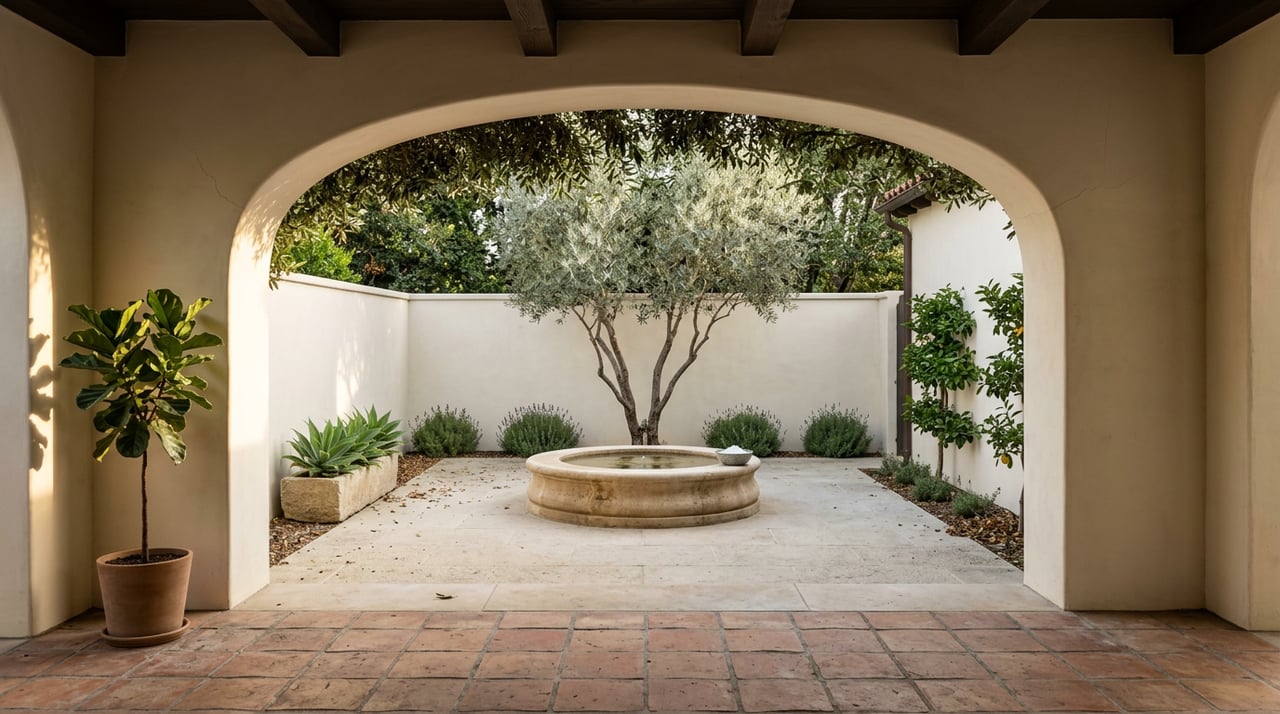
Bel Air’s historic survey notes that smaller lots have often been absorbed into adjoining parcels to accommodate larger homes. That means original site patterns, mature landscaping, privacy walls, and established estate settings can carry real scarcity value.
In other words, a classic estate may look dated on the surface but still be compelling as a site-and-improvement opportunity. If the parcel has strong privacy, favorable topography, or a more graceful relationship to the street and landscape, those traits can support value far beyond interior finishes.
Land and Legacy Can Be Underpriced
This is where many buyers miss the bigger picture. In an estate market, a dated residence on a superior lot may be worth serious consideration if the underlying site is difficult to replicate today.
Appraisal analysis supports that approach. Fannie Mae notes that highest and best use is the reasonable and probable use that supports the highest present value, and appraisal practice considers land-use regulations, supply and demand, physical adaptability, and market trends.
In Bel Air, that means an older house may trade not only for what it is today, but for what the site allows over time. Renovation potential, thoughtful repositioning, or even teardown economics can all contribute to value, depending on the property’s legal and physical constraints.
Architectural Pedigree Has Staying Power
Not every classic estate should be treated as a renovation project alone. Some properties have design character, proportion, and architectural value that continue to matter to sophisticated buyers.
The broader Bel Air and nearby Holmby Hills surveys describe mature vegetation, privacy walls, irregular estate parcels, and a meaningful concentration of architect-designed homes. Even when a buyer plans updates, those original qualities can make a home feel more grounded and distinctive than a speculative new build.
For design-minded buyers, that can create a different kind of premium. Instead of paying for full turnkey convenience, you may be paying for authenticity, scale, and a setting with lasting character.
The Real Comparison: Turnkey Efficiency vs. Land and Legacy
The clearest way to compare Bel Air new builds and classic estates is to think in terms of turnkey efficiency versus land and legacy. Each can represent strong value, but for different reasons.
A new build tends to justify pricing when it reduces uncertainty. You may get a more current layout, updated systems, current-code construction, and fewer immediate capital projects.
A classic estate tends to justify pricing when the site itself is rare. You may be buying larger land, deeper privacy, mature trees, established gardens, or architectural substance that would be difficult to recreate under today’s rules and costs.
That is why square footage alone can be misleading. In Bel Air, site quality, access, views, topography, and redevelopment friction often matter more than a simple finish-level comparison.
How to Evaluate Value More Clearly
If you are deciding between a new build and a classic estate in Bel Air, it helps to look at the property through a disciplined lens.
Questions to Ask About New Builds
- Does the floor plan actually fit your lifestyle, or is it just visually impressive?
- Does the home solve site issues like circulation, driveway approach, and indoor-outdoor flow well?
- Is the parcel strong enough to support the premium, independent of the house itself?
- Are you paying for features that will still feel relevant years from now?
Questions to Ask About Classic Estates
- Is the lot superior in privacy, topography, access, or setting?
- Does the home have architectural qualities worth preserving or enhancing?
- What level of renovation or repositioning is realistically possible?
- Are there planning or historic factors that could affect timing, design, or cost?
A Simple Bel Air Value Framework
| Property Type | Often Strongest When | Main Risk |
|---|---|---|
| New Build | The site is excellent and the house solves real design or access challenges | Paying a premium for recent construction without lasting site advantages |
| Classic Estate | The land, privacy, landscape, or architecture is difficult to replace | Underestimating renovation scope, entitlement friction, or constraints |
Why Strategy Matters in Bel Air
In a neighborhood like Bel Air, the best buy is not always the newest home, and the best long-term hold is not always the most polished one. The strongest opportunities usually appear when the market has not fully priced either the convenience of a truly well-executed new build or the hidden upside of a legacy estate.
That is where a more investment-minded approach helps. You want to assess not only how a property looks today, but how well its layout, land, and constraints line up with future demand.
For some buyers, that will point clearly toward a turnkey modern home. For others, the smarter move will be a classic estate with the kind of lot quality and renovation optionality that can preserve value over time.
If you are comparing options in Bel Air and want a discreet, strategy-first perspective, Bryce Pennel can help you evaluate the tradeoffs with clarity.
FAQs
What makes Bel Air new builds more expensive?
- New builds often command higher prices when they offer modern layouts, indoor-outdoor living, current energy-efficiency standards, and solutions to site challenges like access, grading, and circulation.
Why can a classic Bel Air estate still be a strong value?
- A classic estate may offer scarce land, mature landscaping, stronger privacy, and architectural character that are difficult to recreate, even if the interiors need updating.
Do bigger homes always have more value in Bel Air?
- No. In Bel Air, lot quality, topography, access, privacy, and planning constraints can matter as much as or more than square footage.
Are Bel Air tear-down opportunities simple to execute?
- Not always. Hillside controls, grading limits, and discretionary review for very large homes can add time and complexity to redevelopment plans.
Should you choose a turnkey Bel Air home or a renovation estate?
- The better choice depends on your goals. If you value immediate usability and lower near-term project risk, a new build may fit better. If you prioritize land quality, architectural character, and upside, a classic estate may offer stronger long-term value.