What makes a historic Los Angeles neighborhood feel newly relevant to global buyers? In Hancock Park, the answer is not hype. It is a rare mix of central location, architectural pedigree, larger residential parcels, and a practical lifestyle that still feels distinctly residential. If you are considering a move to Los Angeles or looking for a design-forward home with long-term value, Hancock Park offers several reasons to take a closer look. Let’s dive in.
Why Hancock Park Stands Out
Hancock Park occupies a distinctive place in Los Angeles. According to Los Angeles City Planning, it is a historic preservation district known as a 1920s subdivision of large, detached Period Revival homes and was designated an HPOZ in 2008.
That context matters if you are relocating from another global city. Instead of a high-rise or coastal setting, Hancock Park offers a central, low-rise residential environment with a strong sense of architectural continuity. For many international buyers, that combination feels both established and hard to replicate elsewhere in Los Angeles.
Central Location With Better Connectivity
Location is one of the clearest reasons buyers are revisiting Hancock Park. The neighborhood sits in a highly connected part of Los Angeles, making it a practical base for people who need access to multiple parts of the city.
That convenience is set to improve further with the Metro D Line Extension. Metro says Section 1 stations at Wilshire/La Brea and Wilshire/Fairfax will serve Hancock Park when they open on May 8, 2026, improving connections between Downtown Los Angeles and the Westside.
For relocating professionals, part-time residents, and international families, that kind of transit access can add meaningful day-to-day flexibility. It supports the neighborhood’s appeal as a central home base rather than a destination defined by density or tourism.
Architecture That Feels Enduring
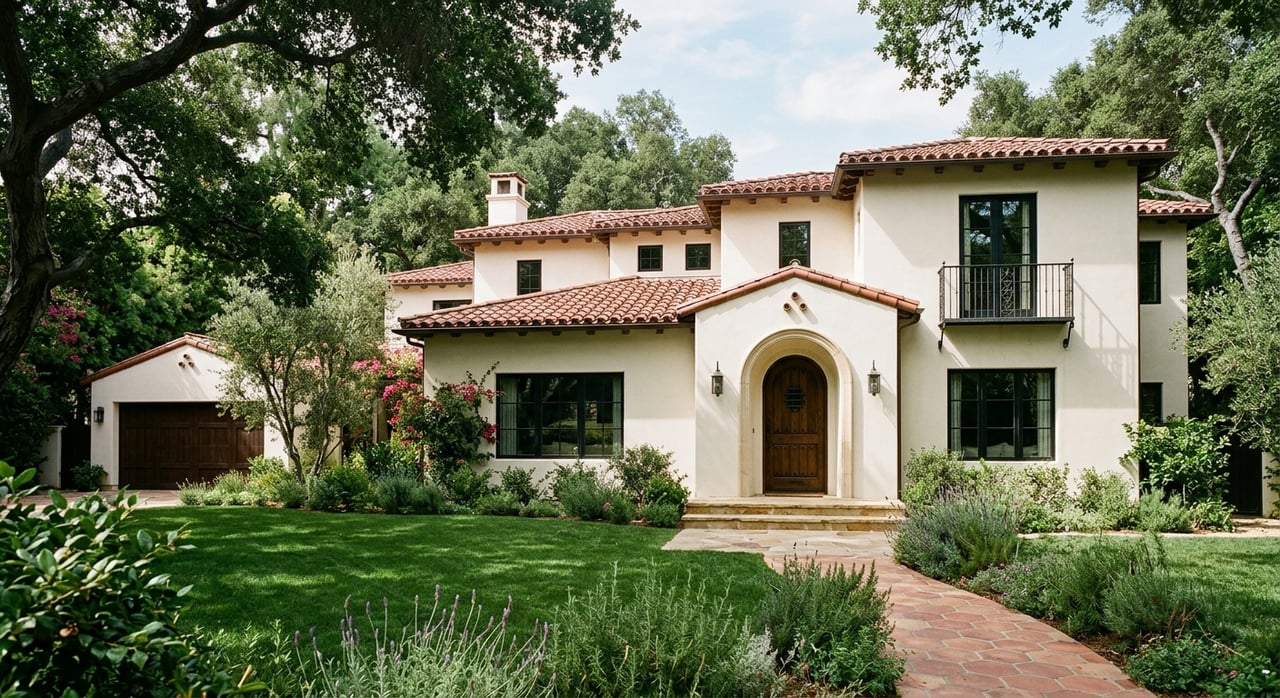
For design-minded buyers, Hancock Park’s architecture is often the main draw. City Planning identifies key styles in the neighborhood such as Tudor Revival, English Revival, Spanish Colonial Revival, Mediterranean Revival, Monterey Revival, and American Colonial Revival.
These are not isolated examples. They shape the neighborhood’s visual identity block by block. If you value craftsmanship, formal facades, established streetscapes, and homes with a sense of history, Hancock Park offers a level of consistency that is increasingly difficult to find.
Larger Lots and Residential Scale
Beyond architecture, the physical layout of Hancock Park is part of its appeal. City Planning notes the neighborhood’s character comes from large setbacks, side driveways, rear garages, and tree-lined parkway streets, with many houses set back about 50 feet from the street.
That planning pattern creates a different experience from denser luxury submarkets. You are often paying for a broader residential footprint, greater separation between homes, and a more estate-like feel within the city. For international buyers used to evaluating both lifestyle and land value, that distinction can be meaningful.
Historic Rules Shape Renovation Plans
Hancock Park can be compelling for buyers who appreciate architecture and see renovation upside, but it is important to understand the rules that come with historic ownership. The Hancock Park Homeowners Association notes that street-visible work in the district requires HPOZ review.
In practical terms, that means exterior improvements may involve a longer planning process than they would in a non-historic neighborhood. If you are considering a value-add purchase, the opportunity may still be there, but your timeline and scope should reflect the review process from the beginning.
Why Value Looks Different Here
Headline pricing in Hancock Park is substantial, but the value story is more nuanced than the top-line number. According to Redfin’s February 2026 Hancock Park market snapshot, the neighborhood had an approximate median sale price of $4.26 million and about $748 per square foot, with 110 days on market.
For comparison, Redfin reported Beverly Hills at about $4.81 million and about $1.81K per square foot, with 124 days on market. Its Westside LA neighborhood benchmark came in at about $2.28 million and about $891 per square foot, with 83 days on market.
The takeaway is important. Hancock Park sits near Beverly Hills on median sale price, yet far below it on price per square foot. Compared with the broader Westside benchmark, it carries a higher median price but a lower price per square foot. That suggests buyers are often purchasing larger homes, larger lots, and preserved character rather than paying the market’s highest premium per foot.
A Fit for Specific Buyer Priorities
This is why Hancock Park is showing up again in cross-border searches and relocation discussions. It can be especially relevant if your priorities include centrality, historic architecture, lot size, and relative price-per-square-foot efficiency.
It may be less ideal if your goal is new-build density or a true lock-and-leave condo lifestyle. While Redfin neighborhood browsing categories include condos and other product types, the historic core remains largely detached and single-family, so turnkey lock-and-leave inventory is thinner than in denser condo markets.
School Options Add Practical Appeal
For relocating households, schools are often part of the decision even when they are not the only factor. Hancock Park benefits from a broad surrounding school ecosystem, which adds to its functional appeal.
LAUSD advises families to use the Resident School Identifier to verify address-based assignment. The district also offers open enrollment transfers, magnet programs, charter options, and Zones of Choice.
Nearby public-school examples listed in the research include Hancock Park Elementary, Third Street Elementary, Wilshire Crest Elementary, Bancroft Middle School, and Fairfax Senior High. Nearby independent and charter options include Marlborough School and Larchmont Charter campuses.
The key point is not any single campus. It is the breadth of nearby options and the importance of verifying fit, enrollment pathways, and assignment details early in your search.
Security and On-the-Ground Logistics
For many international buyers, neighborhood logistics matter just as much as architecture. Security is one of those considerations. The area falls under the LAPD Wilshire Community Police Station, and the Hancock Park HOA says three active security patrols operate in the neighborhood, with about half of homeowners subscribed.
That layered structure can be useful for buyers who are evaluating part-time occupancy, family use, or executive relocation. It is one more example of how Hancock Park blends classic residential character with practical urban infrastructure.
Why International Buyers Are Looking Again
International demand often returns first to neighborhoods that offer something durable. In Hancock Park, that means a preserved architectural setting, meaningful lot scale, central placement within Los Angeles, and a value profile that looks different from more compressed luxury markets.
It also means the neighborhood asks for a more informed buying approach. Historic review rules, property condition, renovation potential, and block-by-block nuance all matter here. For the right buyer, those details are not drawbacks. They are part of what protects the neighborhood’s long-term character.
If you are exploring Hancock Park as a primary residence, Los Angeles base, or design-led investment, working with an advisor who understands both architecture and underwriting can make the process far more strategic. To discuss opportunities in Hancock Park and across Los Angeles, connect with Bryce Pennel.
FAQs
Why are international buyers interested in Hancock Park?
- International buyers are often drawn to Hancock Park for its central Los Angeles location, historic architecture, larger residential lots, and lower price per square foot than some other luxury neighborhoods.
What kind of homes are common in Hancock Park?
- Hancock Park is known for large detached homes in styles such as Tudor Revival, Spanish Colonial Revival, Mediterranean Revival, Monterey Revival, and American Colonial Revival.
Does Hancock Park have historic renovation rules?
- Yes. Street-visible exterior work in Hancock Park requires HPOZ review, which can make renovation timelines more involved than in non-historic Los Angeles neighborhoods.
How does Hancock Park compare on price per square foot?
- Redfin’s February 2026 data shows Hancock Park at about $748 per square foot, which is much lower than Beverly Hills at about $1.81K per square foot.
What transit improvements are coming near Hancock Park?
- Metro says the D Line Extension’s Wilshire/La Brea and Wilshire/Fairfax stations will serve Hancock Park when Section 1 opens on May 8, 2026.
How can buyers verify school assignment near Hancock Park?
- LAUSD recommends using its Resident School Identifier to verify address-based school assignment and to review transfer, magnet, charter, and Zones of Choice options.