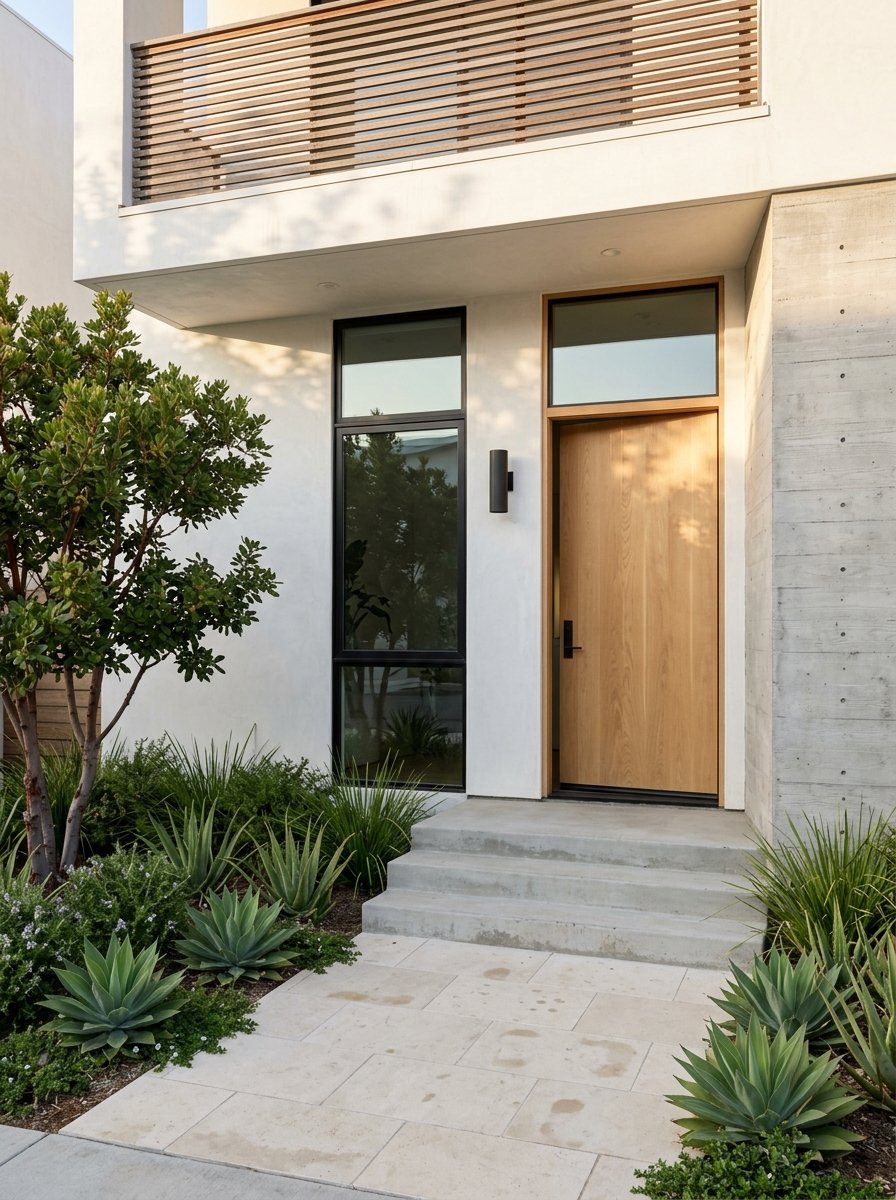
What if your version of coastal living is less about stepping straight onto the sand and more about finding a calm, design-friendly home base with easy access to the best of Long Beach? If you are drawn to architecture, outdoor rhythm, and thoughtful lifestyle value, Plaza deserves a closer look. This neighborhood offers a different way into the Beach Cities story, one that balances residential ease with strong connections to parks, bike routes, and the shoreline culture that defines Long Beach. Let’s dive in.
Why Plaza Appeals to Design-Minded Buyers
Plaza is best understood as a park-centered Long Beach neighborhood, not a true beachfront district. That distinction matters if you want the coastal lifestyle without making the beach your literal front yard. Instead of dense condo rows or blufftop homes, you get a more residential setting shaped by shaded streets, postwar homes, and proximity to El Dorado Park.
For design-minded buyers, that can be a smart trade. Plaza offers housing stock that often feels more adaptable than fragile or highly specialized waterfront property. You may find more room to personalize, renovate, or refine a home around your own taste and long-term goals.
Long Beach itself adds the coastal layer. The city is known for its oceanfront setting, central location between Los Angeles and Orange County, and a mix of urban energy and neighborhood character. That means Plaza can function as a quieter landing point within a city where beach access, outdoor living, and design variety are still very much part of daily life.
The Plaza Lifestyle in Daily Practice
Plaza works well for buyers who want a more grounded routine. Rather than living in the middle of constant shoreline activity, you are anchored by a residential environment with everyday convenience and outdoor access. The neighborhood is described as somewhat walkable and very bikeable, which supports a more connected lifestyle than many suburban-feeling enclaves.
One of Plaza’s clearest strengths is its relationship to El Dorado Nature Center. The City of Long Beach describes it as a 105-acre oasis between the San Gabriel River and the 605 Freeway, with two miles of dirt trails and a quarter-mile paved trail around lakes, a stream, and forested habitat. For many buyers, that kind of access creates a wellness-oriented rhythm that feels just as important as direct ocean frontage.
This is where Plaza stands apart. If your ideal day includes a quiet morning walk, a bike ride, and a home that feels removed from the busiest coastal corridors, the neighborhood offers a compelling setup. You can tap into Long Beach’s beach culture when you want it, then return to a calmer residential backdrop.
What Homes in Plaza Usually Offer
The housing story in Plaza is practical, flexible, and often full of potential. The neighborhood is known for apartments and post-World War II tract homes, many of which have been enlarged or remodeled over time. That gives buyers a different kind of design opportunity than you might find in a tightly preserved historic district.
For some buyers, that means better alignment with modern living. You may prefer a yard, a garage-oriented layout, or a floor plan that can evolve through renovation rather than a house that asks you to preserve every original detail. In that sense, Plaza can be especially attractive if you value good bones and upside.
That investment angle matters. For a buyer with a renovation sensibility, Plaza may offer a more approachable path into Long Beach homeownership while still keeping the broader coastal lifestyle within reach. It is less about paying solely for immediate prestige and more about matching location, function, and future potential.
How Plaza Compares to Coastal Long Beach
Long Beach offers several distinct design and lifestyle environments, and Plaza sits in a different lane than the shoreline neighborhoods. Understanding that contrast can help you decide what kind of coastal experience actually fits your life.
Historic districts near the coast
Neighborhoods like Belmont Heights, Bluff Heights, and Bluff Park carry a more architecture-forward identity. Across these historic districts, buyers encounter Craftsman homes along with Victorian, Mission Revival, Spanish Colonial Revival, Tudor Revival, Prairie, Mediterranean, and Neo-Traditional examples. These areas tend to appeal to buyers who want a stronger sense of historic character and a more visually layered streetscape.
That appeal is real, but it comes with trade-offs. Older homes may offer remarkable style and detail, yet they can also ask for a different kind of stewardship. If you love period architecture, these neighborhoods may feel deeply compelling. If you want more layout flexibility and a less formal design commitment, Plaza may feel easier to live in.
Water-facing lifestyle zones
The Peninsula, Belmont Shore, Bay Shore, and parts of Bluff Park deliver a more immersive beach rhythm. These are the areas where shoreline proximity plays a stronger role in how daily life feels. You are closer to the water, more connected to pedestrian activity, and often more tied to the movement of dining, recreation, and public space.
That can be ideal if your goal is maximum coastal immersion. But if you want the beach as an amenity rather than a constant condition, Plaza offers a useful middle ground. It keeps you connected without requiring the compromises that can come with living in the most active waterfront areas.
Beach Access Still Shapes the Experience
Even though Plaza is not on the sand, Long Beach’s waterfront amenities remain a major part of the value equation. The city’s Shoreline Pedestrian/Bicycle Path runs 3.1 miles from Alamitos Avenue to 54th Place, and Long Beach also maintains four other major Class I bike paths totaling more than 60 miles. For buyers who care about movement, scenery, and everyday access to outdoor space, that is a meaningful advantage.
The beach network itself is varied. Alamitos Beach connects downtown to Alamitos Bay with a paved bicycle path and a separate pedestrian walking path. Cherry Beach, also known as Junipero Beach, sits between Junipero Avenue and Belmont Veterans Memorial Pier, while Bay Shore Beach offers calm water year-round and a summer promenade when Bay Shore Avenue closes to traffic.
This gives you options. You are not limited to one beach mood or one type of outdoor routine. From Plaza, the coastal lifestyle is something you can enter intentionally, whether that means biking the shoreline, walking the waterfront, or building a regular wellness habit around public outdoor space.
Long Beach Has a Strong Wellness Rhythm
For many design-minded buyers, lifestyle is about more than the home itself. It is also about how a place supports your routines, energy, and sense of balance. Long Beach performs well here because the city’s coastal culture extends into walking, biking, yoga, and time spent in public green space.
The city says free yoga classes take place regularly in Bixby Park. Bixby Park also includes a bandshell, community center, playground, fitness loops, and a farmers market. Along the bluffs, Yoga on the Bluff adds another layer to the city’s outdoor wellness culture.
That broader rhythm gives Plaza context. You may not live in the center of the beach scene, but you are still buying into a city where outdoor movement is part of the lifestyle. For many buyers, that combination of residential calm and easy access to active public space feels more sustainable than full-time beachfront density.
Dining, Strolling, and Neighborhood Energy
A great coastal lifestyle usually depends on more than scenery. You also want places to walk, dine, browse, and meet friends without overthinking the plan. Long Beach offers several districts that support that kind of everyday flexibility.
Belmont Shore is one of the clearest examples. Its business association says the district includes more than 250 businesses, more than 50 dining establishments, and the most restaurant patios in the city. Around Second Street, the experience is notably strollable, with easy movement toward Naples across the bay.
Retro Row offers a different texture. With more than 40 independent merchants, locally owned shops, restaurants, coffee shops, wine bars, health and fitness services, and the Art Theatre, it brings a more eclectic and design-conscious energy. For Plaza buyers, these districts help round out the lifestyle by adding culture and dining to the neighborhood’s quieter home base feel.
Who Plaza Fits Best
Plaza tends to make the most sense for buyers who want a residential setting with strong access to nature and citywide amenities. If you like the idea of coastal Southern California living but do not need an oceanfront address, this neighborhood can offer a smart balance. It feels particularly relevant if you value space, flexibility, and a setting that supports renovation or personalization.
It can also suit relocating buyers who want to understand Long Beach in layers. Rather than focusing only on the highest-profile shoreline pockets, Plaza lets you access the city more broadly. You can enjoy park access, bike connectivity, and easy reach to historic districts and beach activity while living in a calmer environment.
For investment-minded buyers, that balance is worth attention. Long Beach is a city with a wide range of housing types, including ADUs, duplexes, bungalows, apartments, townhomes, condominiums, and single-family homes, according to the city’s Housing Element. That variety helps explain why Plaza can appeal to buyers looking for usable housing stock and long-term optionality.
A Practical Note on Schools
If schools are part of your home search, it is important to verify assignment details by property address. Plaza falls within the broader Long Beach Unified School District context, and the district serves Long Beach, Lakewood, Signal Hill, and Avalon. LBUSD also offers a School Finder by address along with elementary, middle, and high school choice pathways.
The key takeaway is simple. You should not assume a neighborhood name alone determines school assignment. If this factor matters in your move, confirm the current attendance and choice options for any home you are considering.
Why Plaza Works in the Coastal Story
Plaza is not the classic postcard version of coastal Long Beach, and that is exactly why some buyers prefer it. It offers a more understated entry into the city’s beach-adjacent lifestyle, with park access, bikeability, adaptable homes, and relatively easy reach to shoreline activity. For a design-minded buyer, that can translate to better day-to-day livability and more room for strategic decision-making.
If you are looking for a home base that supports both lifestyle and long-term thinking, Plaza deserves a place on your shortlist. The right property here can give you access to the best parts of Long Beach without forcing you into a one-note version of coastal living. For tailored guidance on design-forward homes, value-add opportunities, and discreet sourcing in Long Beach and beyond, connect with Bryce Pennel.
FAQs
Is Plaza in Long Beach a beachfront neighborhood?
- No. Plaza is better understood as a park-centered residential neighborhood in Long Beach, not a true beachfront district.
What kinds of homes are common in Plaza, Long Beach?
- Plaza is known for apartments and postwar tract homes, many of which have been enlarged or remodeled over time.
Why might design-minded buyers consider Plaza?
- Plaza can appeal to buyers who want adaptable housing stock, room to personalize, and access to Long Beach’s coastal lifestyle without living directly on the shoreline.
How does Plaza compare with Belmont Shore or Bluff Park?
- Plaza offers a quieter, more residential setting, while Belmont Shore, Bay Shore, the Peninsula, and Bluff Park provide a more immediate water-oriented lifestyle and stronger shoreline activity.
What outdoor amenities support the Plaza lifestyle?
- A major lifestyle anchor is El Dorado Nature Center, which offers trails, lakes, a stream, and forested habitat, along with broader access to Long Beach bike paths and beaches.
How should buyers verify school options near Plaza?
- Buyers should verify school assignment and choice options by exact property address using Long Beach Unified School District resources, rather than relying only on a neighborhood name.