On the Sunset Strip, a view is more than a backdrop. It is the way your home feels at sunrise, how your evenings unfold, and what prospective buyers notice first. If you are weighing a purchase or renovation above the Strip, you want architecture that frames the panorama while staying comfortable and private day and night. This guide breaks down the key styles you will see, how elevation and glazing shape daily life and value, and the design moves that keep views while meeting code. Let’s dive in.
Sunset Strip context and rules
The Sunset Strip is the high-profile stretch of Sunset Boulevard running through West Hollywood, with steep residential slopes to the north and hillside neighborhoods just above it. Homes that read as “Sunset Strip living” often sit on these upslope lots, where terraces and glazing capture the city. If your property fronts Sunset or is close to it, start with West Hollywood’s planning resources and the Sunset Specific Plan. You will find standards for design, public view corridors, and the city’s policy for large off-site signage.
Projects that change height or massing, or that add tall wall signage, often face discretionary design review and environmental studies under CEQA. That review can consider public views and how a project meets corridor guidelines. If you are evaluating a development or a major addition, use the city’s planning portal as your first stop and plan for a structured approvals path. West Hollywood planning resources cover permits, the Sunset Specific Plan, and related policies.
Architectural styles along the Strip
1920s to 1930s revival apartments
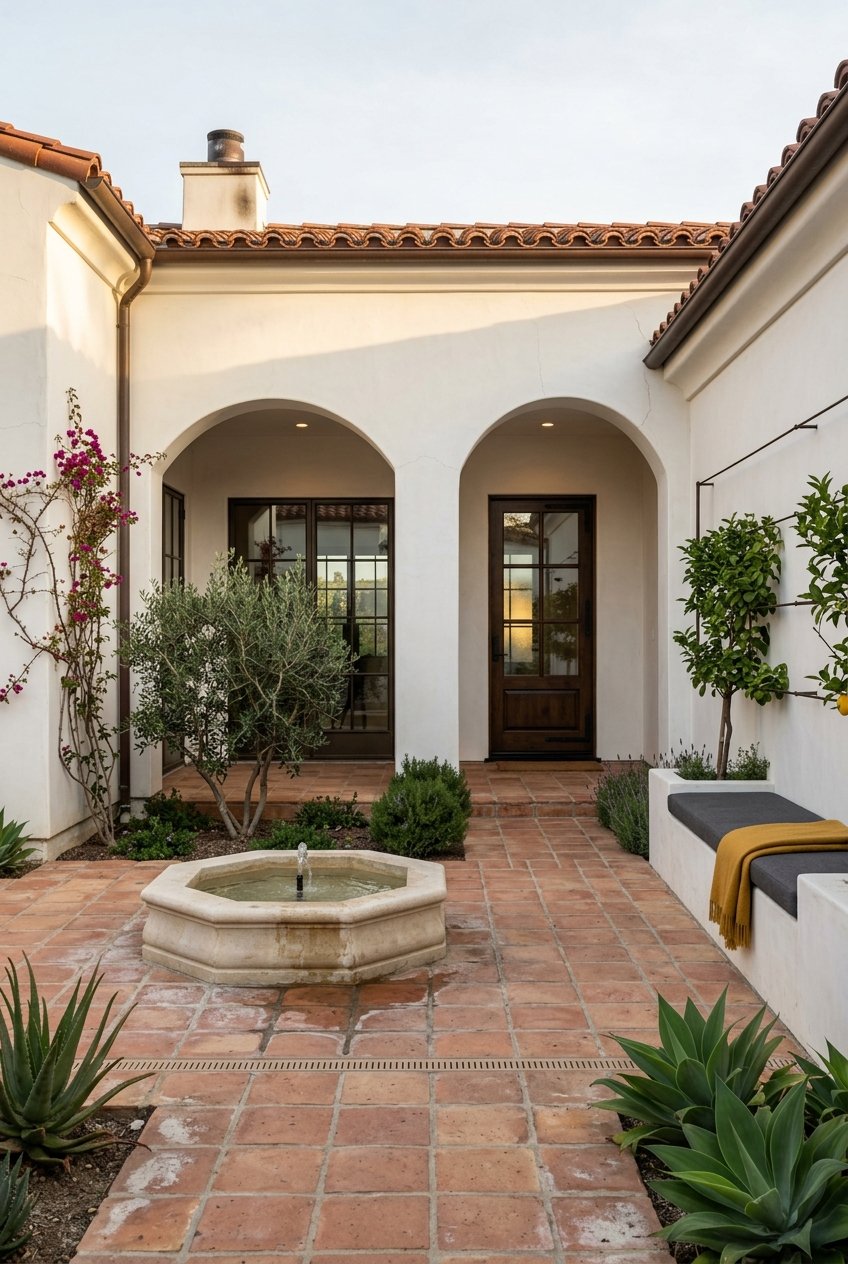
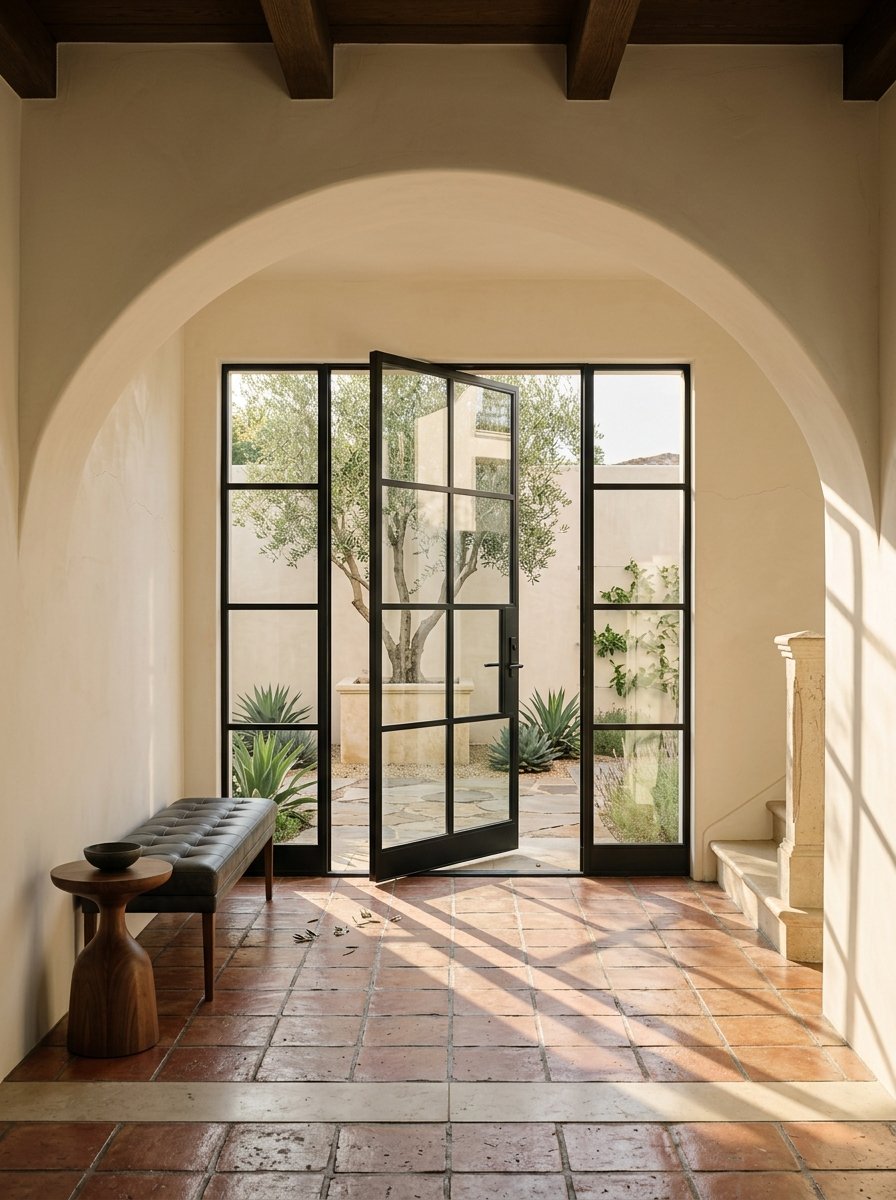
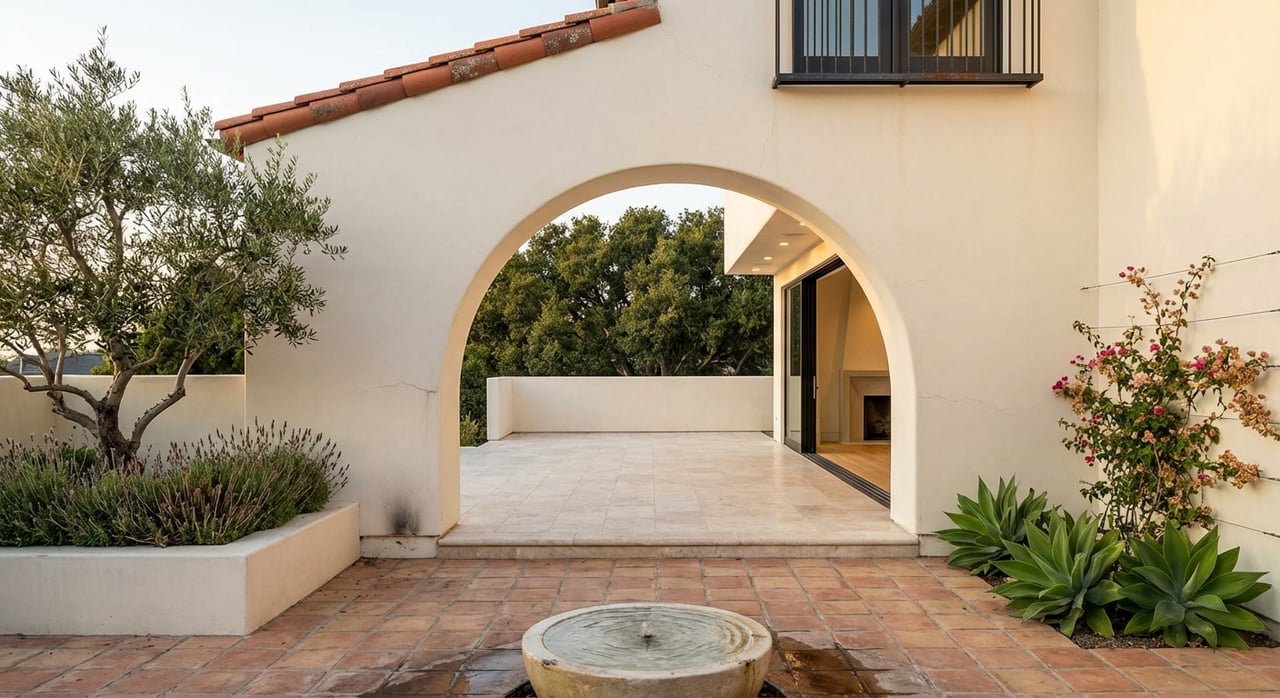
You will notice Mediterranean and Spanish-Italian revival apartment buildings with stucco walls, red tile roofs, arched openings, and decorative trim. Many were conceived as luxury apartments or hotels and are set to command the boulevard. Rooftop spaces and courtyards often double as view platforms. One example is Piazza del Sol, the former Hacienda Arms at 8439 Sunset, a classic period revival building that shows how early architecture leveraged terraces and street presence on the Strip. Explore its history through the Piazza del Sol profile.
Art Deco and Streamline Moderne anchors
Art Deco towers use vertical lines, stepped setbacks, and geometric ornament to create strong silhouettes. The most famous example is the Sunset Tower, opened in 1931, which has functioned as both a residence and a public venue. Its architecture spotlights views while serving as a recognizable anchor on the boulevard. Learn more about its legacy in the Sunset Tower history.
Mid-century modern hillside houses
Above the Strip, mid-century modern homes favor low profiles, open plans, and floor-to-ceiling glass that merges indoors with the terrace and pool. Steel frames and cantilevers minimize grading while unlocking wide city panoramas. The Case Study program distilled this logic. The Stahl House, Case Study House 22, remains a north star for “glass and view” living in the Hollywood Hills. For a window into this design approach, start with Case Study House 22 insights from Getty.
Contemporary glass boxes and hillside estates
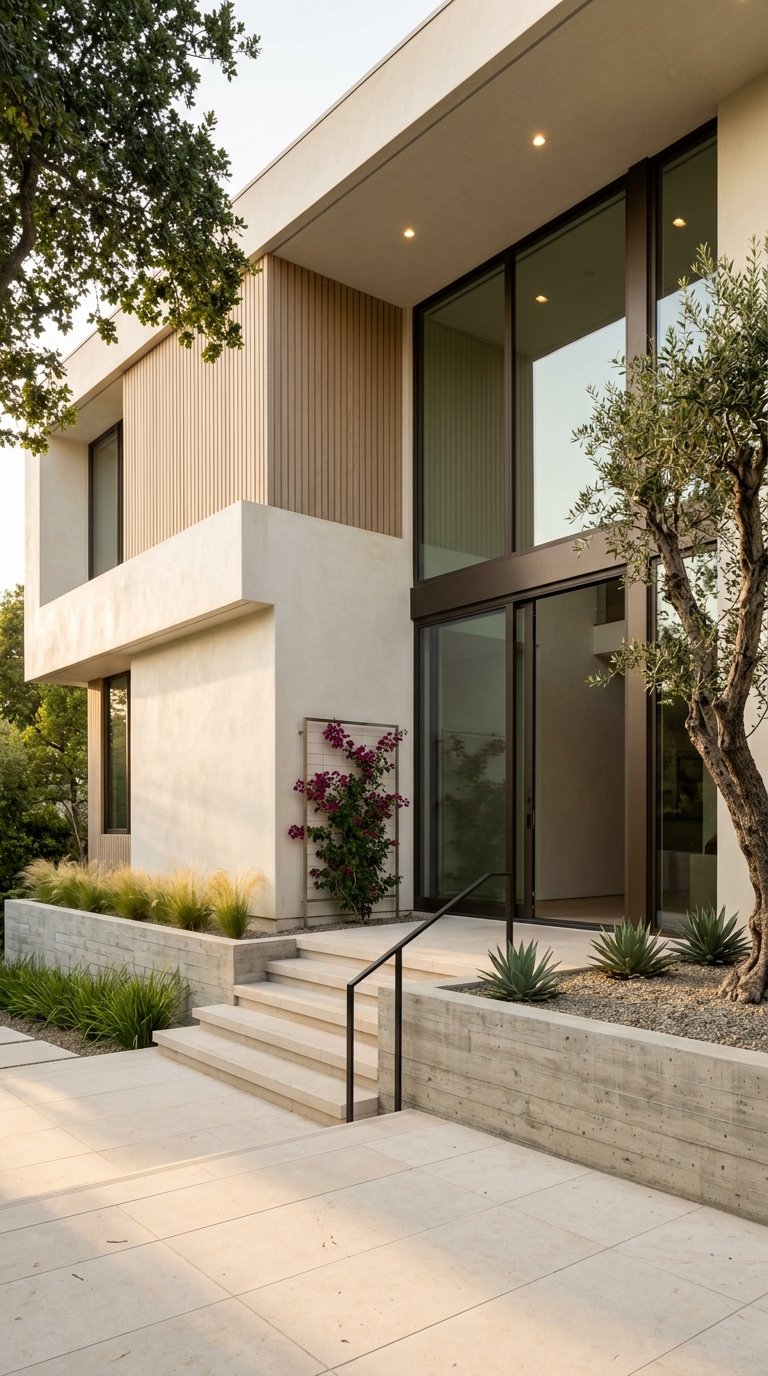
Recent contemporary homes stack rectilinear masses with full-height glazing, minimal surfaces in concrete, metal, and stone, and multi-level terraces that follow the slope. These designs deliver sweeping sightlines across the basin and often require more deliberate shading and privacy strategies. On larger sites and hospitality projects along the corridor, design review shapes massing and public terraces to fit the Strip’s character.
Elevation and orientation shape your view
Elevation and view breadth
The higher your lot sits above Sunset, the farther your view typically reaches. Elevated sites open wider city panoramas and occasional ocean glimpses on clear days. Lower or tucked parcels may offer framed snapshots through vegetation or neighboring roofs. While the city plans for public view corridors along the boulevard, your private outlook will depend on your lot’s elevation, setbacks, and nearby development. Review the Sunset Specific Plan and related resources through West Hollywood planning.
Orientation and solar comfort
Orientation matters as much as elevation. South-facing glass can be shaded with modest overhangs since the sun is higher in the sky mid-day. West-facing glass faces low-angle afternoon sun, which is harder to manage and can drive glare and heat gain without proper glazing or shading. California’s energy code, Title 24, regulates window performance and encourages smart design responses by orientation. Get an overview of window and skylight requirements in this Title 24 glazing guide.
Glass living: benefits and tradeoffs
Daylight and how it feels
Large glazed walls connect your interiors to the hills and the city, which many owners value for mood, circadian rhythm, and an open, spacious feel. This is a core reason glass-forward houses above the Strip remain so desirable. It also explains why terraces, corner windows, and wide sliders often headline listing photos and buyer tours.
Privacy after dark
Reflective or “one-way” films work only when the outside is brighter than the inside. After dark, with lights on, privacy reverses. Plan on curtains, roller shades, or motorized drapery as a reliable night solution. For a quick primer on film limits, see this practical window film FAQ.
Energy and glare performance
Extensive glazing raises cooling loads and glare risk unless you specify high-performance assemblies. Look for low-e coatings, appropriate SHGC and U-factor ratings, and thermally broken frames. California’s Title 24 sets limits and offers a performance path for highly glazed designs. Bringing an energy consultant in early helps you model tradeoffs and align comfort with code. Start with the Title 24 window overview and review best practices for high-performance windows.
Maintenance on hillside façades
Floor-to-ceiling glass looks effortless yet demands planning. Expect specialized cleaning access, safety glazing near floors and doors, and higher replacement costs for large custom panes. On steep lots, exterior access can require scaffolding or crane support, so set maintenance plans and budgets accordingly.
Nightlife and noise realities
The Strip is an entertainment corridor with late-night activity. If you live just above it, assume some tradeoff between proximity and quiet. Smart layouts that place bedrooms on the quieter side of the house, sound-rated glazing, and planted buffers all help. West Hollywood provides clear guidance on rules and mitigation through its noise and code resources.
Design moves that keep the view
Shading and visual privacy
External shading works best on south façades. Fixed overhangs, vertical fins, perforated screens, and exterior louvers reduce heat and direct views. Patterned or fritted glass can soften sightlines while preserving daylight. Inside, use layered roller shades or drapery so you can tune glare and privacy by time of day.
Dynamic glazing options
Electrochromic or other dynamic glazing technologies can lower cooling loads and peak demand by changing tint in response to sun and temperature. They carry a cost premium, and retrofit economics vary by orientation and budget. If you are modeling a glass-forward renovation, technical findings from national labs can help you weigh the benefits. Review this summary of dynamic glazing research before you commit.
Night privacy as a house rule
Because films and some smart glass solutions depend on lighting conditions, plan a dependable after-dark strategy. That usually means a motorized shade package or elegant curtains sized for large openings. Treat it like an essential fixture that protects privacy without sacrificing the glass wall experience.
Hillside permitting and constructability
Steep sites demand careful grading, drainage, and foundation strategies. West Hollywood’s construction management rules govern hours and neighbor notices, and larger massing or grading moves can trigger additional review under the Sunset Specific Plan. Terraced floor plates and minimized cut-and-fill typically ease entitlement and construction. Consult the city’s planning resources early to align your design with local expectations.
Value, resale, and strategy
Buyers pay for views, but not all views perform the same in the market. Academic work that separates view types finds single-digit premiums for ordinary urban views, with substantially higher premiums for unobstructed and rare water or wide panoramas. The exact premium depends on scarcity and quality, which vary lot by lot above the Strip. For background on view pricing, see this often-cited hedonic pricing study.
Glazing and typology also matter. In design-savvy submarkets, well-executed mid-century and contemporary hillside homes tend to sell strongly when their indoor-outdoor flow and view corridors are preserved. Overly experimental façades that compromise privacy, comfort, or maintenance can narrow your future buyer pool. If you are optimizing for resale, pursue high-performance glazing, thoughtful shading, and a clean, view-first presentation that reads timeless rather than trendy.
Next steps
If you are comparing a Spanish revival near the boulevard to a glass box high above Sunset Plaza, focus your diligence on orientation, glazing performance, and how the layout supports privacy after dark. Confirm local review needs for any addition, and model energy performance early so comfort aligns with code. Then weigh the view as a real asset by testing its value with a local appraisal.
When you want a clear plan that blends design, comfort, and investment outcomes, connect with Bryce Pennel for a discreet, data-backed strategy. Request a Confidential Consultation and get an advisor who understands West Hollywood’s hillside architecture, permitting, and the view premiums buyers will actually pay.
FAQs
What architectural styles dominate the Sunset Strip and how do they treat views?
- You will see period revival apartments and hotels, Art Deco anchors, and hillside mid-century or contemporary homes. Most use terraces and large glazing to frame the basin.
How do West Hollywood regulations affect views along the Sunset Strip?
- The Sunset Specific Plan sets design expectations and public view corridors. Projects that change height or massing often face discretionary review. Start with West Hollywood planning.
How does glass orientation affect comfort in Sunset Strip homes?
- South-facing glass is easier to shade with simple overhangs. West-facing glass needs higher-performance glazing and vertical shading to manage afternoon heat and glare. See the Title 24 glazing guide.
How can you keep privacy at night in a glass-heavy hillside house?
- Use layered window coverings. Reflective films work only by day. Plan motorized shades or curtains sized to your largest openings. Read a quick window film FAQ.
Do views add measurable value in Sunset Strip sales?
- Yes, but the amount varies by quality and rarity. Ordinary urban views may add single-digit premiums, while large unobstructed panoramas can add more. See the view pricing study.
What noise mitigation strategies work near the Sunset Strip?
- Place bedrooms on the quieter side, specify sound-rated glazing, and use planted buffers. Review the city’s noise and code guidance for local rules and mitigation basics.