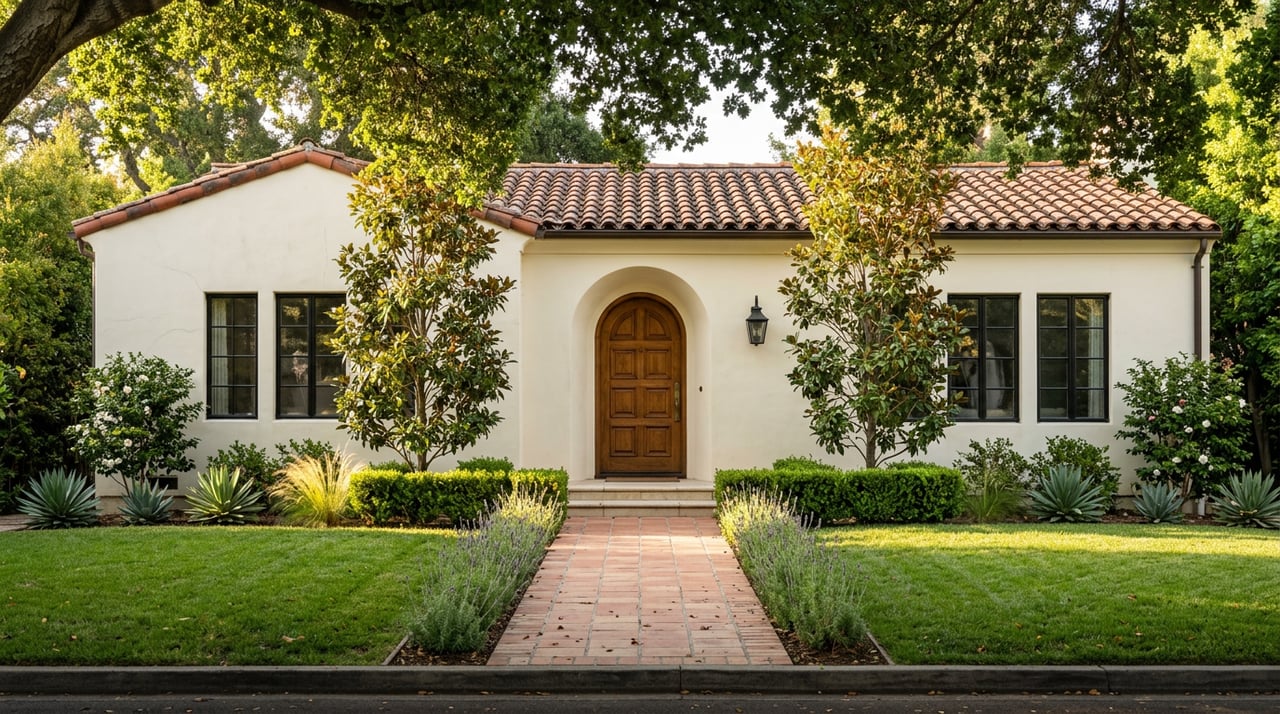
Buying a historic estate in Hancock Park is as much about stewardship as it is about lifestyle. You are buying into a celebrated streetscape of 1920s and 1930s architecture, and the details that make it special are carefully protected. If you plan well, you can modernize with confidence, preserve value, and unlock upside through smart improvements. This guide gives you the essentials on HPOZ rules, timelines, budgets, financing, incentives, insurance, and a clean due-diligence path. Let’s dive in.
Hancock Park 101: Why HPOZ matters
Hancock Park is an official Historic Preservation Overlay Zone. The district safeguards Period Revival estates and the grand setbacks that define each block. The City’s Hancock Park HPOZ page explains the Preservation Plan, boundaries, and review structure.
What that means for you: exterior work that is visible from the street receives the most scrutiny. Expect a design review, possible revisions, and a longer timeline for any street-facing change. Interior upgrades that do not alter the exterior are generally outside HPOZ review, though they still need standard building permits. Plan your scope and schedule around that basic split.
What HPOZ actually reviews
Most projects begin with the City’s HPOZ screening and a conversation with the district planner. Start with the HPOZ Initial Screening Checklist to determine whether staff can approve your scope or if you need a board hearing.
Typical street-visible items that trigger review include:
- Additions and overall massing, including height or volume changes
- Façade alterations such as windows, doors, and materials
- Rooflines and visible roofing materials
- Hardscape that is visible from the street, including driveways and front walkways
- Fences, gates, and retaining walls in the front setback
- Demolition of contributing features
Minor, in-kind repairs often receive staff-level clearance. Large additions or noncompatible new work usually require a board hearing. The Hancock Park HPOZ Preservation Plan provides the design guidance staff will use.
Contributing vs. non-contributing homes
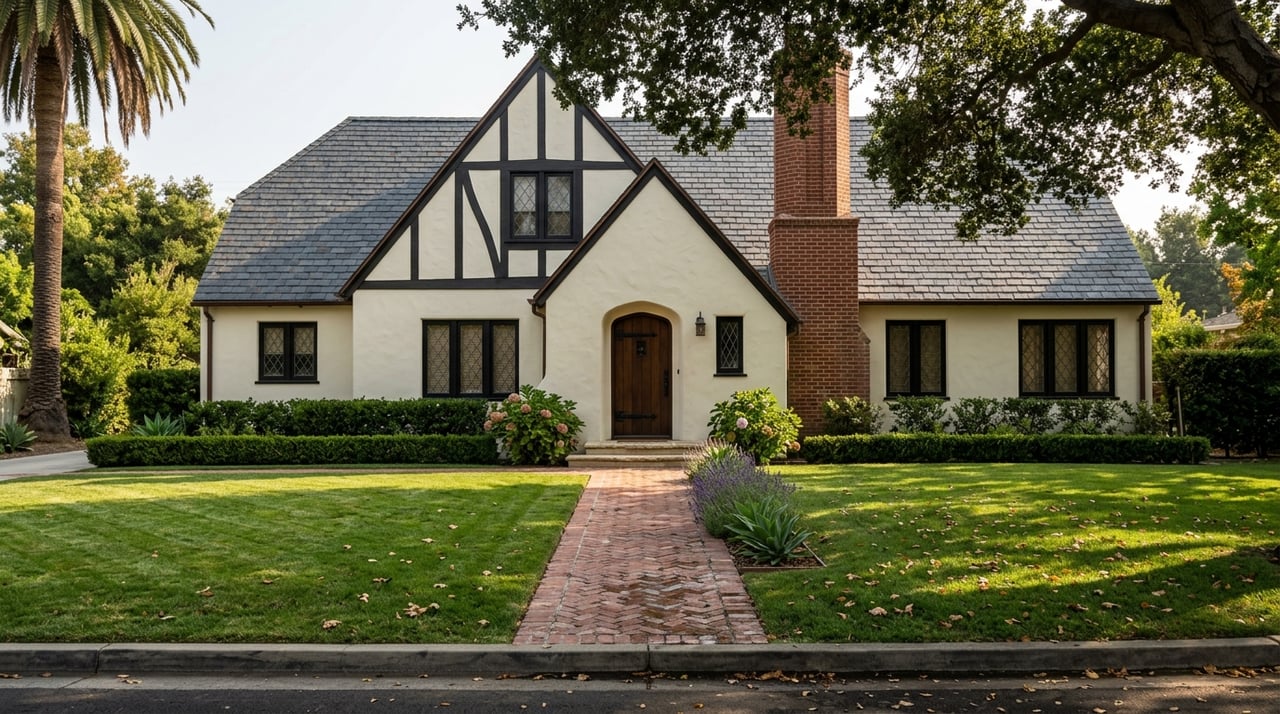
Each parcel in the district is classified as Contributing or Non-Contributing to Hancock Park’s historic character. A Contributing home receives a higher level of design scrutiny, especially for any street-visible changes. Non-Contributing properties have more flexibility, though new work must still be compatible with the district.
Before you write an offer, check the parcel’s record in the City’s HistoricPlacesLA inventory and confirm the HPOZ flag in ZIMAS. If you do not use ZIMAS every day, this step-by-step ZIMAS guide is a helpful reference.
What you can modernize vs. what is constrained
Focus HPOZ on the exterior. Kitchen, bath, and systems upgrades usually proceed under standard LADBS permits if they do not change the exterior. The moment you touch a window opening, porch, or façade, expect HPOZ review.
Preservation Plans typically prefer repair over replacement. If replacement is necessary, match materials and sightlines closely to speed approvals. When in doubt, ask the HPOZ planner for written guidance early. Clear direction here can save weeks later.
Plan for health, safety, and specialty work
Many Hancock Park homes pre-date 1978. Assume lead paint and test for asbestos where relevant. The EPA requires certified firms and lead-safe work practices for target housing. Review the EPA Renovation, Repair and Painting (RRP) rules before you bid or schedule work.
Common hidden cost drivers in historic estates include older wiring, galvanized plumbing, cast-iron drains, unreinforced masonry chimneys, foundation and drainage updates, and termite or rot in original millwork. Historically accurate roofing, windows, and trim also add cost. Budget a contingency of 10 to 25 percent for discovery items and lead times, and line up contractors with preservation experience.
A smooth design and approvals workflow
Here is a practical approach that reduces redesigns and delays:
- Engage a preservation architect or historic consultant to shape an appropriate scope.
- Submit the HPOZ Initial Screening Checklist with early plans and photos.
- Incorporate planner feedback into schematic design before you price with contractors.
- Finalize drawings for HPOZ staff clearance or a board hearing, as directed.
- After HPOZ approval, pull LADBS permits and coordinate any lender requirements if using a renovation loan.
Incentives and financing tools to know
Mills Act property tax contracts. The City of Los Angeles has paused new contracts while updating policy. Do not underwrite a deal on Mills Act savings until you confirm the Mills Act program status in Los Angeles.
Federal historic credit. The Federal Historic Rehabilitation Tax Credit offers a 20 percent income tax credit for certified rehabilitations of income-producing historic buildings. It does not generally apply to owner-occupied single-family homes.
California state credit. California launched its program in 2025. The California State Historic Rehabilitation Tax Credit provides a state income tax credit for eligible projects, with funding allocated first come, first served. Rules and eligibility differ from the federal program, so review timelines and pre-approval needs before you start work.
Renovation loans. Many buyers combine purchase and improvement costs in one mortgage. Conventional options like Fannie Mae’s HomeStyle Renovation can fund historically sensitive work based on as-completed value. HUD’s 203(k) program is another path, especially for larger structural projects, and uses consultant oversight. Lender experience with renovation loans matters for draw schedules and inspections.
Coordinate tax-credit application timing with HPOZ approvals and your lender’s draw calendar. That alignment keeps cash flow and construction moving.
Earthquake risk and insurance for older estates
Standard homeowner policies in California do not include earthquake coverage. Most residential earthquake insurance is offered through carriers that access the California Earthquake Authority. If your home qualifies for a code-compliant brace and bolt retrofit, you may be eligible for Earthquake Brace + Bolt grants. Recent grant rounds have offered up to 3,000 dollars, and a typical retrofit often ranges from about 3,000 to 7,000 dollars depending on size and access. Verified retrofits can also support policy discounts.
For historic homes, ask your broker about Ordinance or Law endorsements and expanded or guaranteed replacement options. These help cover code-required upgrades after a loss. During major construction, you will also need builder’s risk and to confirm contractor liability. Keep copies of HPOZ approvals and permits with your policy files so coverage is clear.
Escrow-to-closing due diligence checklist
Use this list to de-risk your purchase and renovation timeline:
- Verify HPOZ status and whether the property is Contributing or Non-Contributing using the HistoricPlacesLA inventory and ZIMAS. If you need help navigating the system, start with this ZIMAS guide.
- Pull LADBS permit history and request any prior HPOZ approvals or restoration documentation from the seller.
- Speak with the Hancock Park HPOZ planner and submit the Initial Screening Checklist for your contemplated scope.
- Add specialized inspections: structural engineer for foundation and seismic feasibility, termite and pest, roofing and drainage, hazardous materials testing for lead and asbestos, and a review of original windows, stucco, and plaster.
- Build a realistic budget and schedule. Include HPOZ review time, specialty trades, hazardous materials abatement if needed, and a contingency of 10 to 25 percent.
- If you plan to pursue incentives, review the state tax credit program details early and confirm City Mills Act status. Align applications with your HPOZ and lender timelines.
An investment-first way to buy historic in Hancock Park
Classic architecture can be a durable store of value when you honor the fabric and plan improvements with precision. The strongest outcomes pair sensitive exterior stewardship with modernized systems and an elegant interior program. Start with clarity on HPOZ rules, confirm the historic status of the parcel, and build a scope that respects the Preservation Plan from the first sketch.
If you want a design-aware and investment-led process, we can help you source the right estate, review HPOZ pathways, introduce qualified preservation architects and contractors, and model renovation ROI before you commit. For a confidential conversation about your goals, reach out to Bryce Pennel.
FAQs
What is an HPOZ and how does it affect a Hancock Park purchase?
- An HPOZ is a historic district with design review for exterior, street-visible changes; in Hancock Park this means extra time for approvals and careful planning for any façade, roof, or front-yard work.
How do I check if a Hancock Park property is Contributing or Non-Contributing?
- Look up the parcel in the City’s HistoricPlacesLA inventory and confirm the HPOZ flag in ZIMAS, then discuss implications with the HPOZ planner before you design.
Can I replace windows or add a front fence in Hancock Park?
- Street-visible window changes and front-yard fences typically need HPOZ review; matching original materials and sightlines improves approval odds, and early planner feedback is key.
Are tax credits available for owner-occupied historic homes in Los Angeles?
- The federal credit is for income-producing properties; California’s new state credit has its own rules and limited funding, so review eligibility and apply early if you qualify.
Is earthquake coverage included with homeowner’s insurance in California?
- No, earthquake insurance is separate; you may qualify for Earthquake Brace + Bolt grants and policy discounts if you complete a verified brace and bolt retrofit.
What inspections should I add when buying a 1920s or 1930s Hancock Park estate?
- Add a structural engineer, termite and pest, roofing and drainage, hazardous materials testing for lead and asbestos, and a review of original windows, stucco, and plaster.