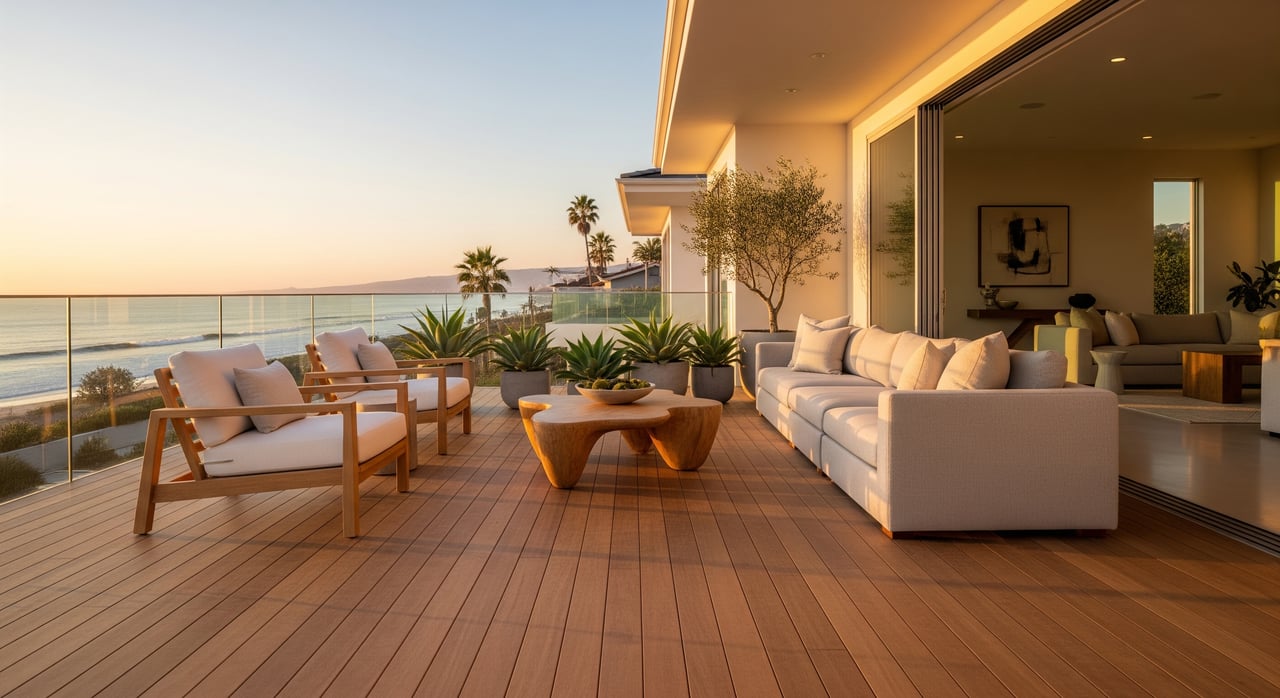
Thinking about living right on the sand-lined walkway of Manhattan Beach or Hermosa Beach, but also considering a quieter coastal base in Long Beach’s Plaza area? You are not alone. Choosing between The Strand’s oceanfront energy and the Plaza’s more varied shoreline feel is a lifestyle decision with real financial and day-to-day implications. In this guide, you will learn what daily life looks like in each setting, the tradeoffs that matter, and how to tour like a pro so you can buy with confidence. Let’s dive in.
What The Strand is
The Strand is the paved public walkway that runs along the beachfront in Manhattan Beach and Hermosa Beach. It sits directly next to the sand and many beachfront homes, with constant foot and bike activity. Public access is a planning priority, so people will pass within a few feet of patios and windows along many blocks.
Strand vs. Plaza at a glance
Strand-front neighborhoods offer smaller, higher-priced oceanfront lots with intense pedestrian activity, especially on weekends and during events. Local dining and retail corridors, like Pier Avenue in Hermosa and downtown Manhattan Beach, are typically a short walk away. The Plaza area of Long Beach offers coastal proximity that often feels less like a continuous beachfront promenade and more like a mix of harbor, marina, and wider-street patterns. Exact Plaza boundaries and distance to open-ocean beaches vary, so plan to confirm how a specific address relates to open water versus harbor areas.
Daily life on The Strand
Beach access and public use
You step out to sand, surf, and volleyball courts within seconds. The walkway and beach are public, so activity ramps up on summer weekends and holidays. Homes next to stairways or ramps that connect to the beach see heavier foot traffic.
Pedestrians, bikes, and etiquette
The Strand is a shared-use corridor with walkers, runners, skaters, and cyclists. Mornings bring joggers and dog owners, midafternoons bring families and beachgoers, and evenings draw sunset walkers and social groups. Signage and striping vary by block, so cyclists are expected to slow down or yield in congested sections and everyone should follow posted rules.
Privacy and design responses
Ground-floor rooms often face a steady flow of passersby only a few feet away. Many owners design around this by placing main living areas or bedrooms on the second floor to capture views while preserving privacy at street level. Frosted glass, hedges, screens, and short fences are common, as long as they fit local code and coastal access requirements.
Parking and access
On-site parking can be limited and curb spaces are often time restricted or permit controlled. Expect higher demand on weekends and event days, with deliveries and guest logistics affected by narrow streets and heavy foot traffic. Private guest parking becomes a frequent planning topic for owners who entertain.
Noise patterns
Weekday mornings are generally calmer. Weekend afternoons and summer evenings are busier and more social, with added activity near nightlife zones like the Hermosa Pier corridor. Events and holiday weekends can temporarily spike both noise and foot traffic.
Coastal weather and seasons
Marine layer is common in late spring and early summer mornings, often clearing in the afternoon. Onshore breezes dominate most days, with occasional warmer, drier offshore winds. High tides and winter swells can push sand toward lower sections of the Strand and may affect beach access temporarily.
Safety, maintenance, and public works
Cities maintain walkway surfaces, lighting, and signage, while owners handle their property side and setbacks. Emergency access routes are marked, though congestion can slow response during events. Expect natural coastal hazards like rip currents, high-surf days, and periodic erosion.
What life feels like in the Plaza
The Plaza in Long Beach offers a coastal lifestyle without the continuous pedestrian walkway directly in front of most homes. Public access patterns are more varied, influenced by harbor and marina features in parts of Long Beach, and many streets feel wider than Strand-front blocks. If you want beach-town proximity with fewer of the immediate walkway dynamics at your door, the Plaza is worth a close look. Verify any given address for its exact relationship to open ocean beaches, harbor areas, and neighborhood amenities.
Ownership economics to weigh
Insurance and flood risk
Beachfront properties often need flood insurance in addition to standard homeowners coverage. Carriers may price higher premiums due to wind, salt exposure, and coastal risk, and availability can change over time. Elevation, foundation type, and any shoreline protection structures can affect both pricing and insurability.
Permits and renovations
New development and major remodels near the coast involve local planning departments and the California Coastal Commission. Projects by the public walkway require careful permitting and public notice. Confirm permits, any code enforcement history, and whether previous owners secured needed approvals for changes.
Resale and regulations
Oceanfront homes command a premium with a narrower buyer pool and higher ownership costs for maintenance and insurance. Seasonal patterns and short-term rental rules can shape neighborhood character. If rentals are part of your plan, verify current ordinances for the specific city and block.
How to tour like a pro
See it at multiple times
- Weekday morning, weekday evening, weekend afternoon, and after dark to understand traffic, noise, and parking.
- Walk the exact segment of the Strand in front of any listing and note distances from passersby to patios and windows.
Watch the flow and access points
- Note signage for bikes versus pedestrians and observe real bike behavior at busy times.
- Check the proximity and visibility of stairways or ramps that link to the sand near the property.
Look for coastal wear and storm signs
- Scan for sand build-up, storm scarring, or recent seawall or revetment work.
- Review exterior metal fixtures, paint, and hardware for salt-related corrosion.
Test parking and logistics
- Time your walk from curb or public lot to the front door and look for posted time limits or permit rules.
- Consider guest parking during peak hours if you host often.
Ask targeted questions
- Are there resident permits or time limits on this block, and where do visitors park?
- What coastal permits or repairs have been completed on the property or the adjacent public way?
- Has the property had flood or seawater intrusion claims, and what insurance is in force now?
- Are any public works or nourishment projects scheduled that could affect access or views?
- What are the rules for privacy screens, fences, or façade updates near public access?
Which lifestyle fits you
If you love energy, views, and immediate beach access, Strand-front living is hard to beat. You accept less privacy, tighter parking, and seasonal noise in exchange for a front-row coastal experience. If you want coastal access with a different rhythm and less of a public walkway at your doorstep, the Plaza may align better while still keeping you close to the water and amenities.
Work with an investment-minded guide
A strategic search should weigh lifestyle fit, long-term exposure to coastal risk, and the renovation or permitting path that supports your goals. If you want a discreet, investment-first plan for Strand-front or Plaza-area properties, connect with Bryce Pennel for a confidential consultation tailored to your criteria.
FAQs
Will people walk right outside my windows on The Strand?
- Often yes. The Strand is a public walkway along the beach, so ground-floor rooms and patios typically sit a few feet from pedestrian flow.
How is guest parking near Strand-front homes?
- Expect constraints. Many blocks rely on time-limited spaces, permits, and municipal lots, with demand peaking on summer weekends and event days.
How noisy are Strand blocks on weekends?
- Noise varies by block and season. Weekday mornings tend to be calmer, while weekend afternoons and summer evenings are busier and more social.
Do beachfront homes need special insurance in the Beach Cities?
- Often yes. Flood insurance and elevated premiums for wind and salt exposure are common. Confirm coverage needs, costs, and flood zone designations.
How does the Plaza area compare for daily life?
- The Plaza offers coastal proximity with more varied shoreline patterns and typically without a continuous public walkway at your doorstep, which changes foot-traffic dynamics.
What should I check during a Strand property tour?
- Visit at multiple times of day, study bike and pedestrian flow, note nearby access points, test parking, and look for storm or corrosion indicators.
Are there bike rules on The Strand walkway?
- Rules and striping vary by block. Cyclists should slow in congested areas and all users should follow posted signage for shared-use safety.